Subject, plainly
Open with the thing itself and nothing else. “A red fox curled in dry winter grass.” No adjectives about quality yet — just what is in frame and what it is doing.
WhatEight directions, one Artlist prompt box, no account. Choose the look before you write the sentence and the AI art generator stops guessing what you meant by “make it good”.
Every picture settles a hundred questions before it gets to your subject. What is it made of — film, pigment, paper, polygons? Where does the light come from and how hard is it? Do the edges stay sharp or bleed into each other? How much of the frame is allowed to stay empty? A style name answers all of that at once.
That is why naming a style beats stacking adjectives. When a render comes back wrong the instinct is to add more description: beautiful, ultra detailed, masterpiece, 8k, award winning. Those words pull in different directions, and what the model returns is the average of all of them, which is another way of saying generic. Ink wash competes with nothing. It fixes the medium, the palette and the density of the frame in two syllables and leaves the rest of your prompt free to describe what is actually happening in the picture.
The same free Artlist AI art generator sits behind every page in this library. There is no separate model to unlock and no setting to switch on — a style is vocabulary you put into the prompt, and these pages tell you which words carry weight in each one. Pick a direction, copy a prompt, swap the subject for yours, generate.
Each page carries what the style actually is, prompts written out so you can copy them, the ingredients that move the render, and finished AI art from Artlist to compare against.
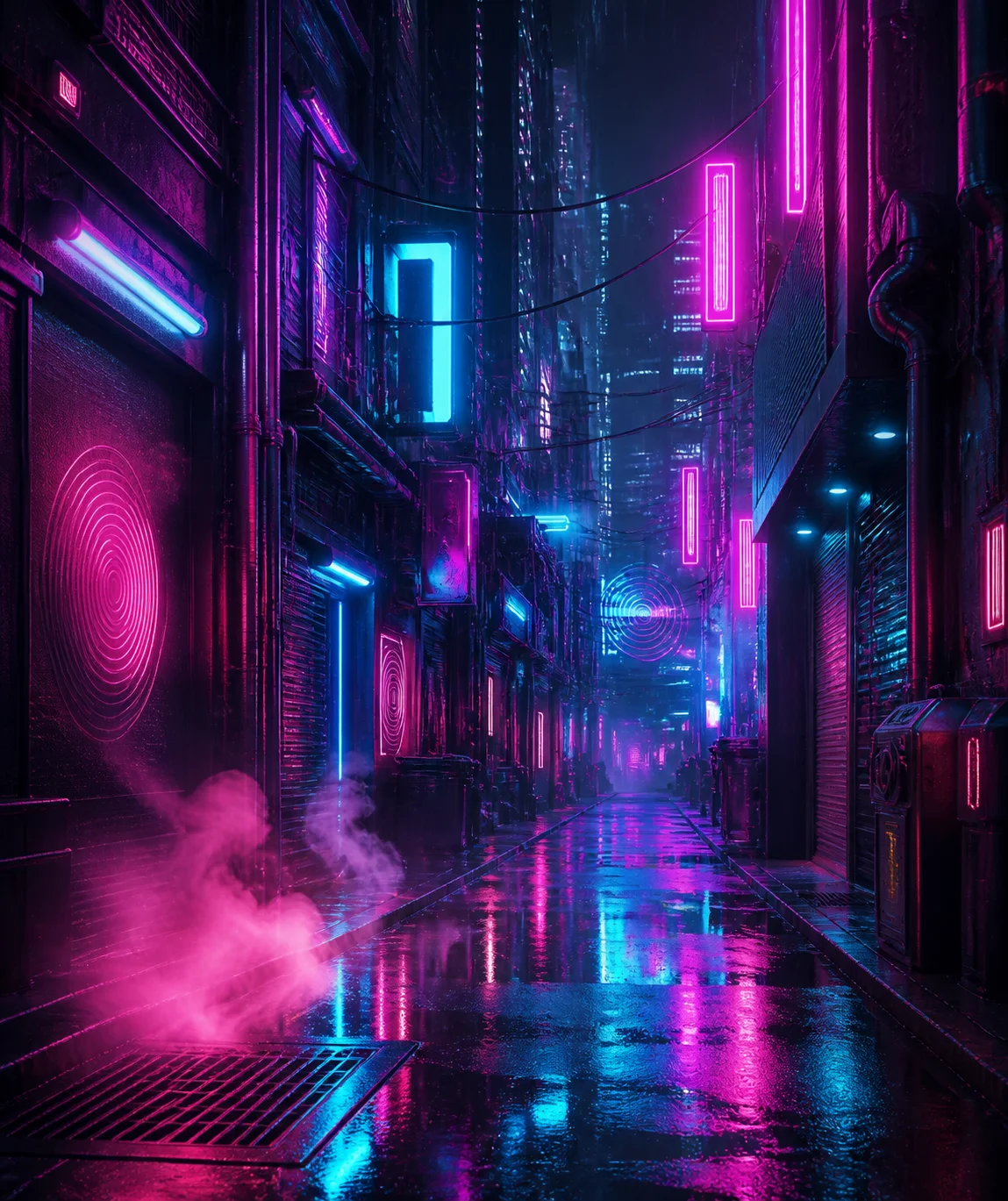
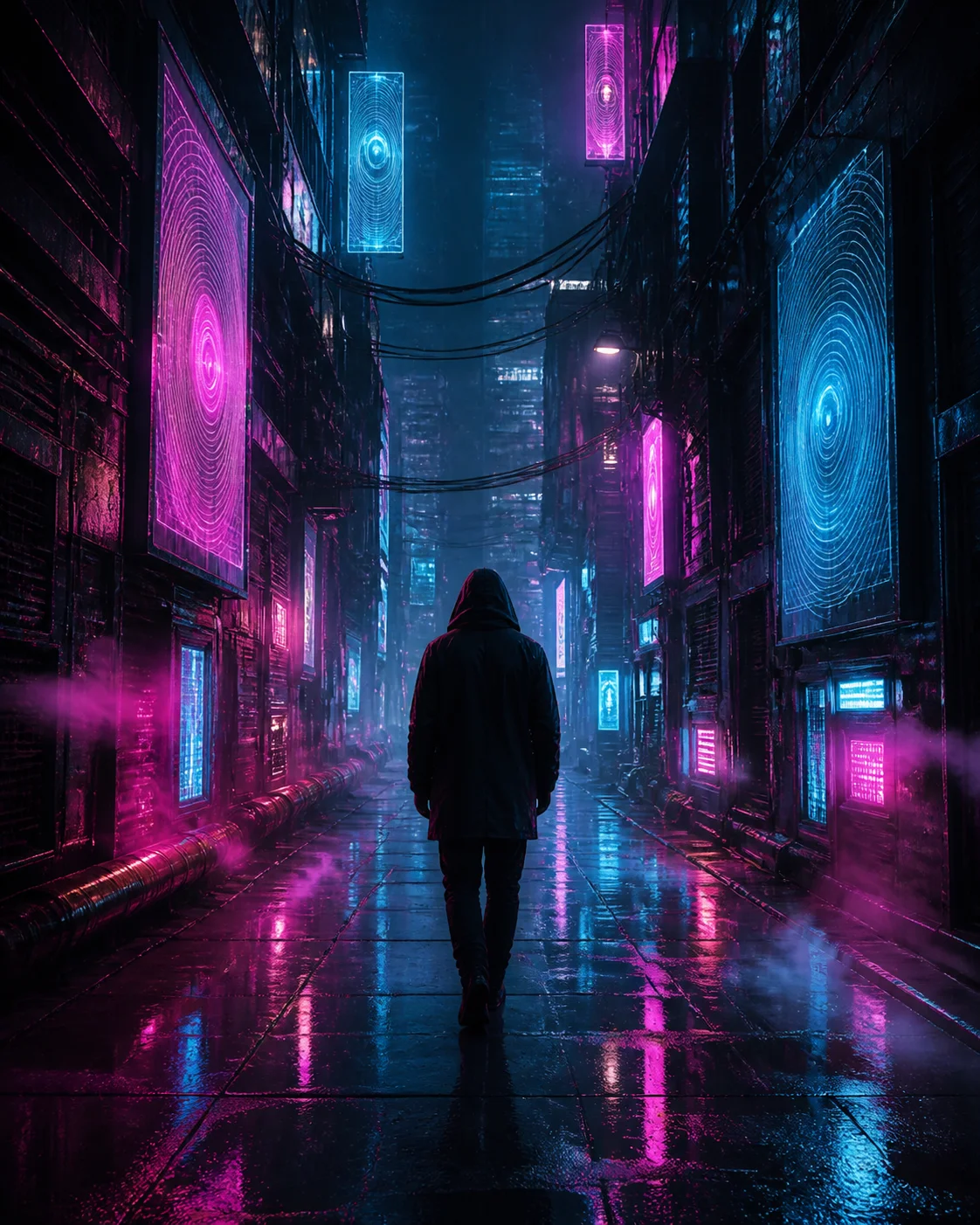 CyberpunkNight cities, neon signage, wet streets. Use it when the frame should feel loud and overcrowded.Open styleAI Art
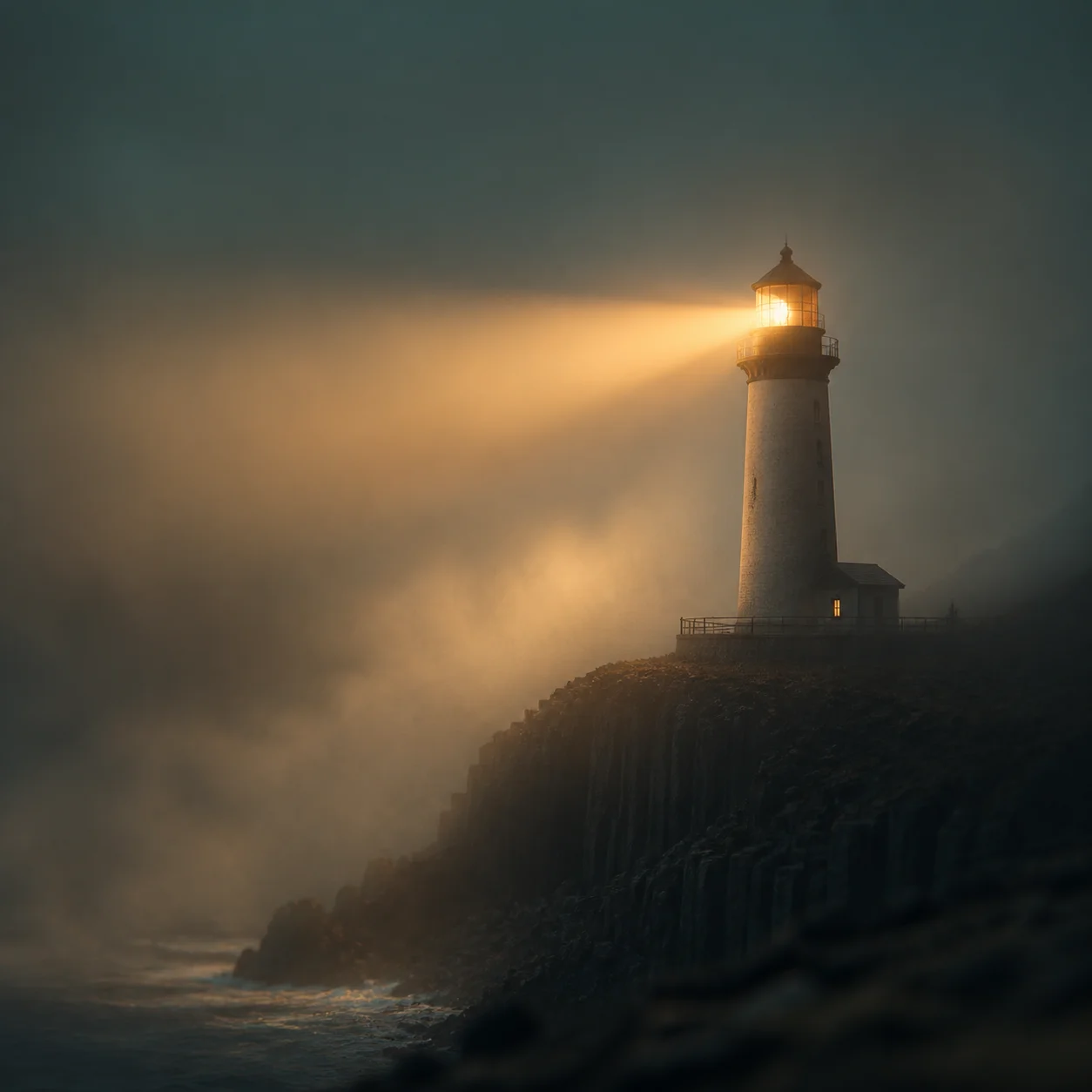 CinematicPhotographic mood with a colour grade on top. The default when the image has to read as real.Open styleFree
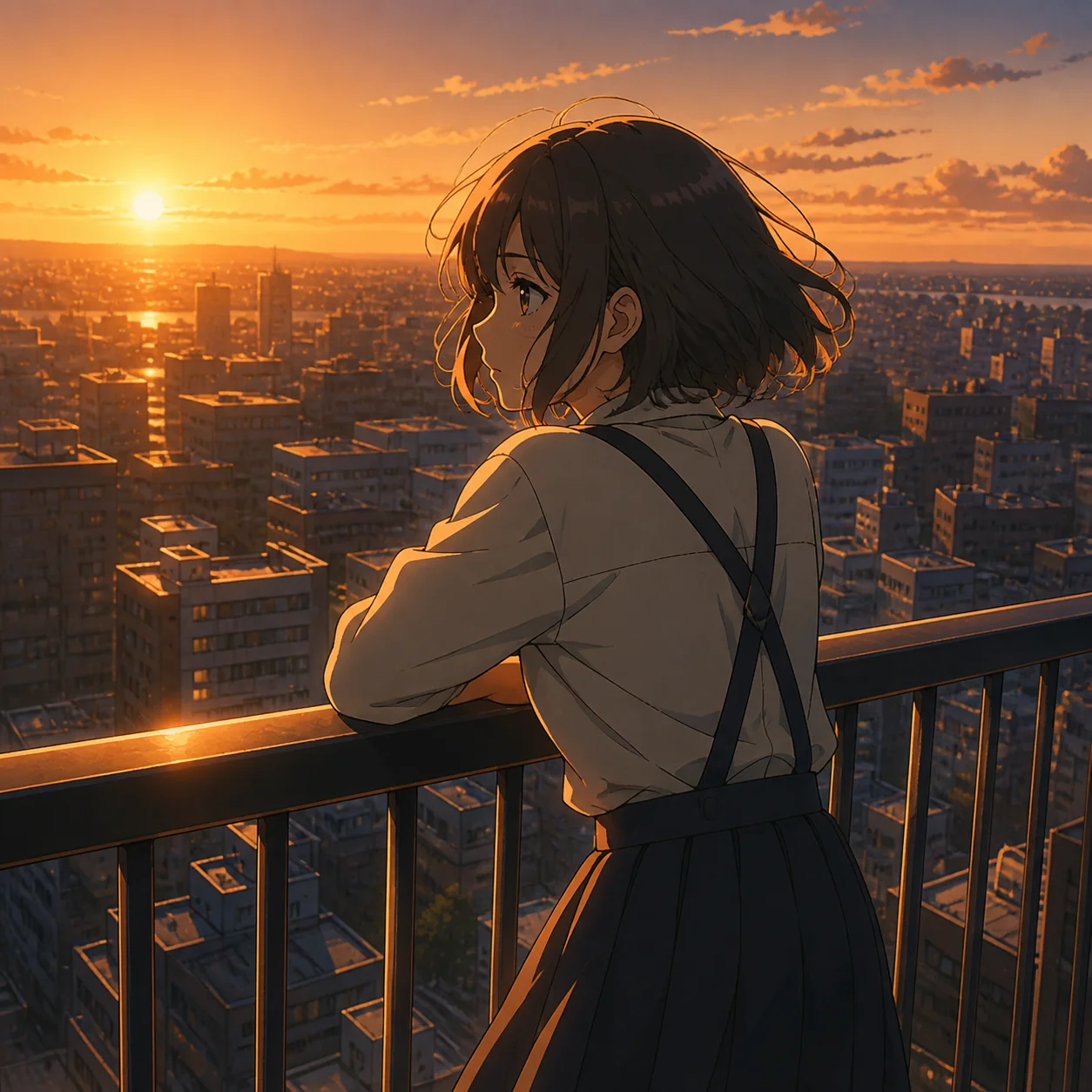 AnimeCel shading and confident line. Characters still read clearly at thumbnail size.Open styleAI Art
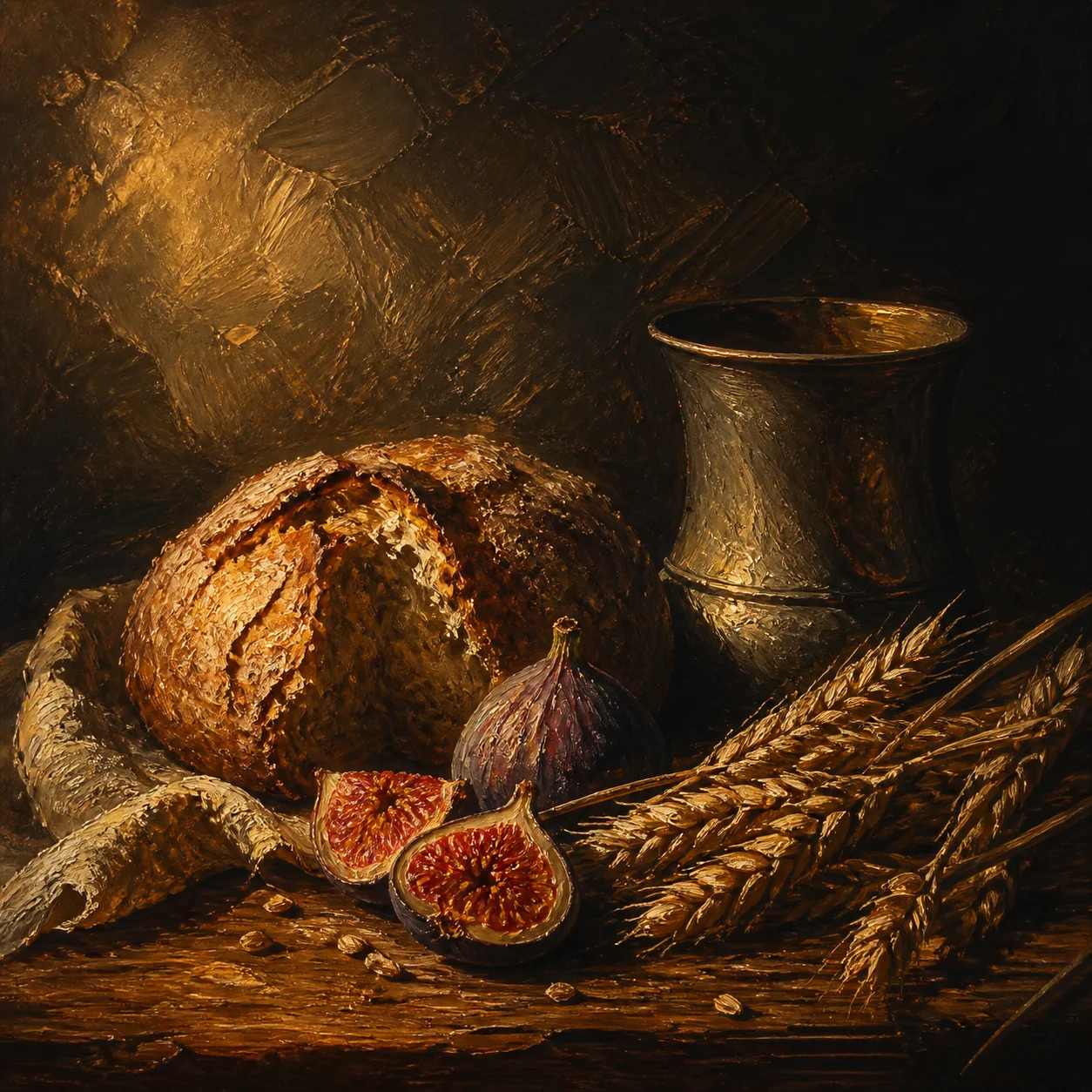 Oil paintingImpasto texture and hard shadow. Gives weight to still life, food and portraits.Open styleFree
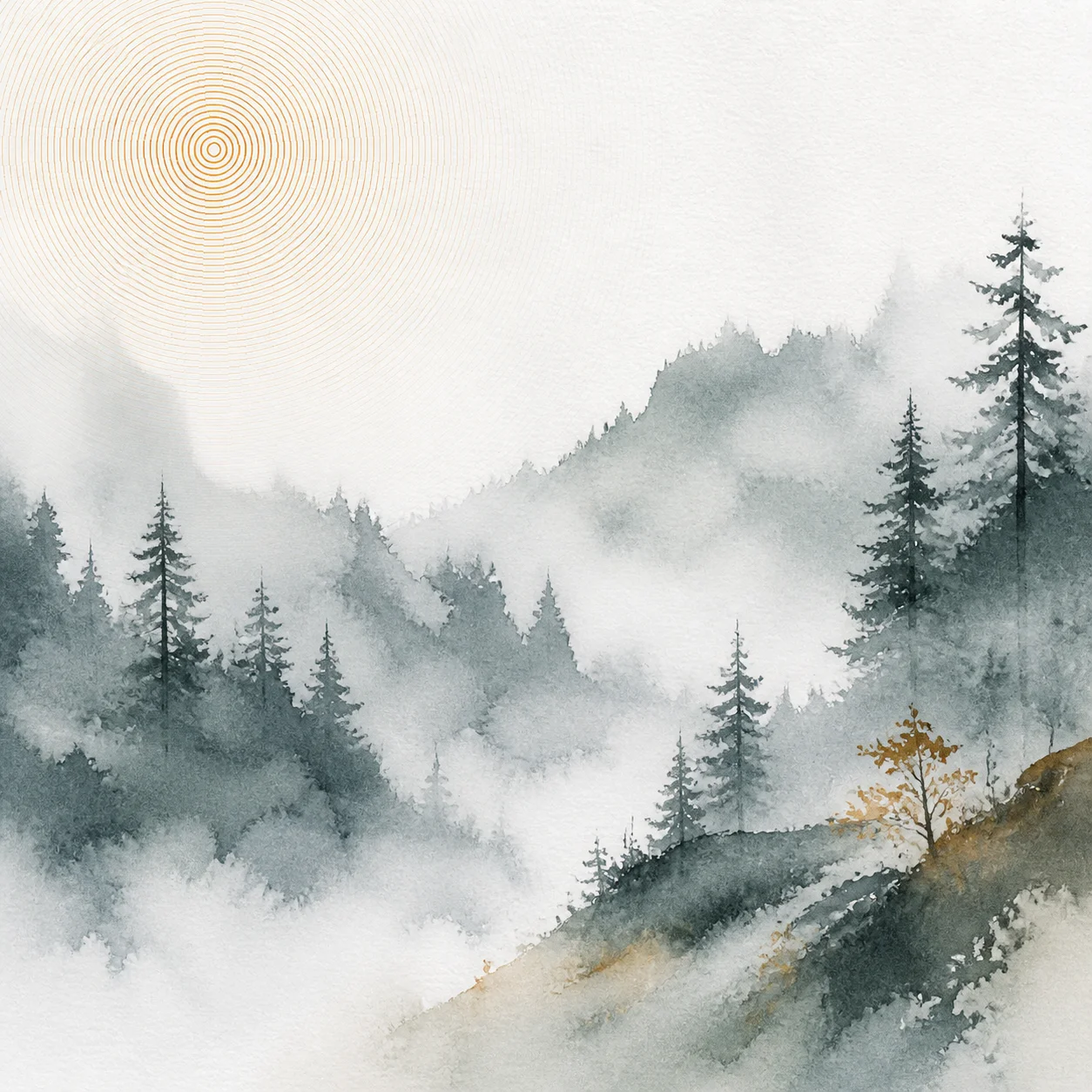 WatercolourBleeding edges, visible paper, plenty of white. Best for quiet subjects and soft light.Open styleAI Art
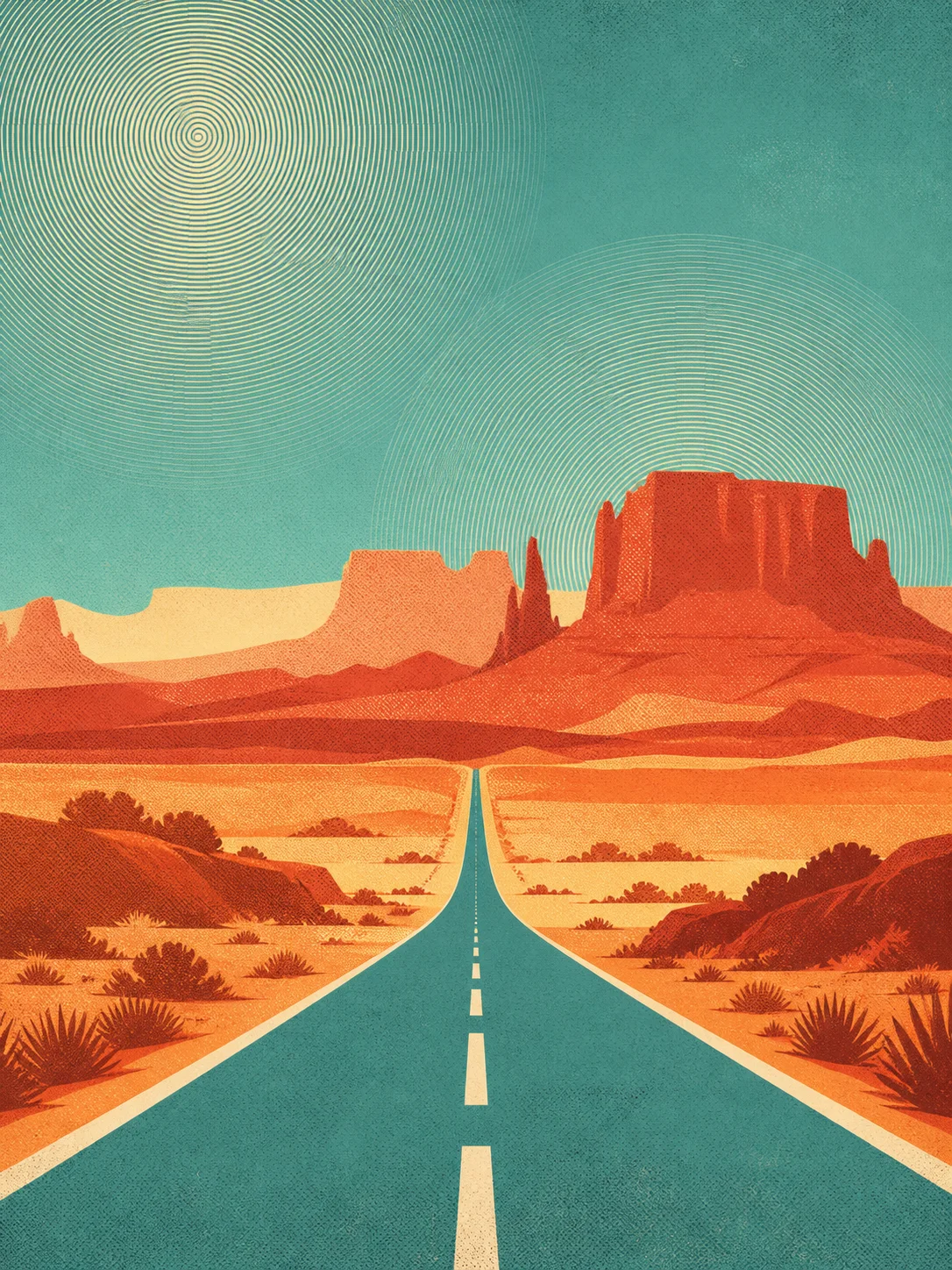 Retro posterFlat blocked colour and halftone grain. Built to sit underneath a headline.Open styleFree
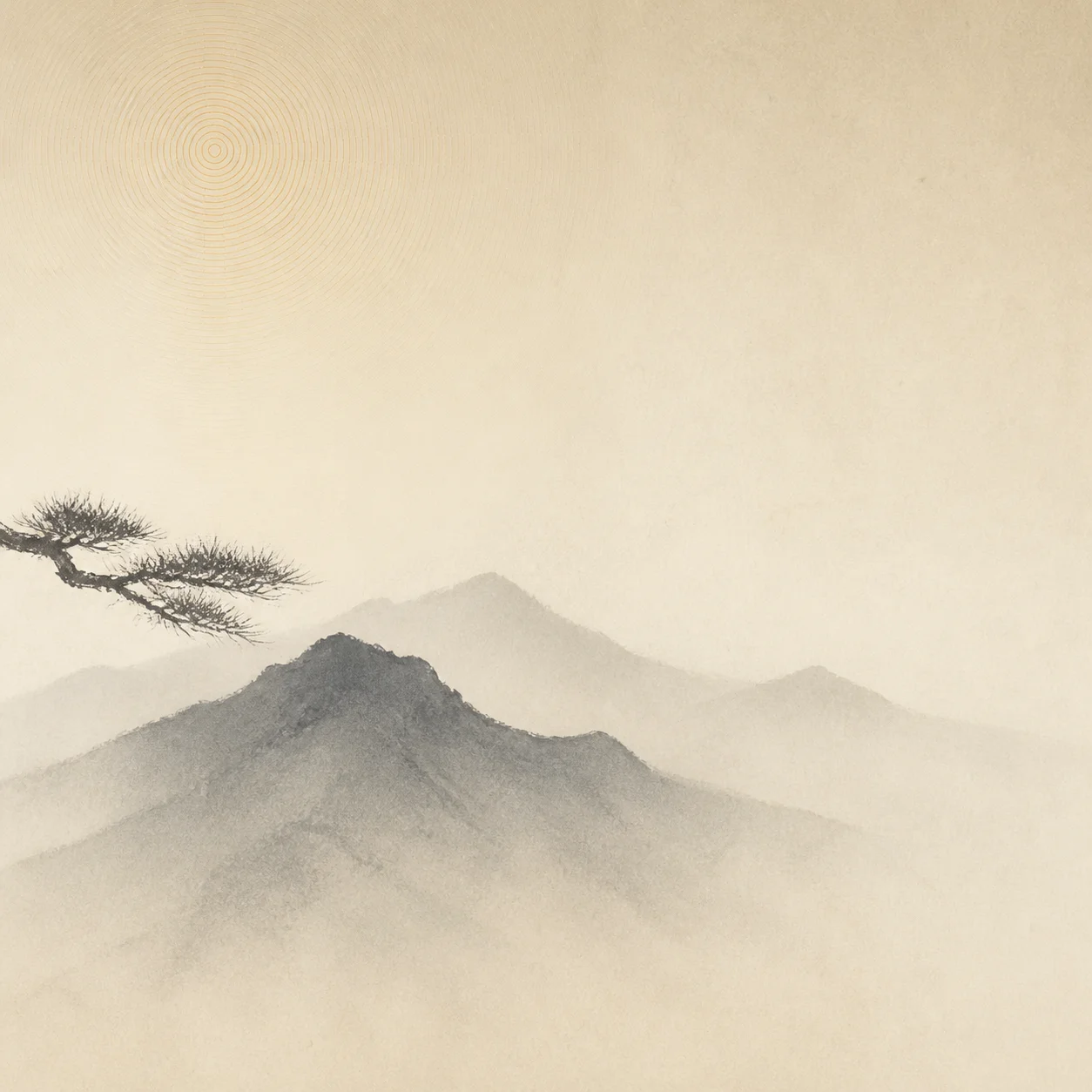 Ink washThree tonal values and a lot of empty paper. The most restrained option in the library.Open styleAI Art
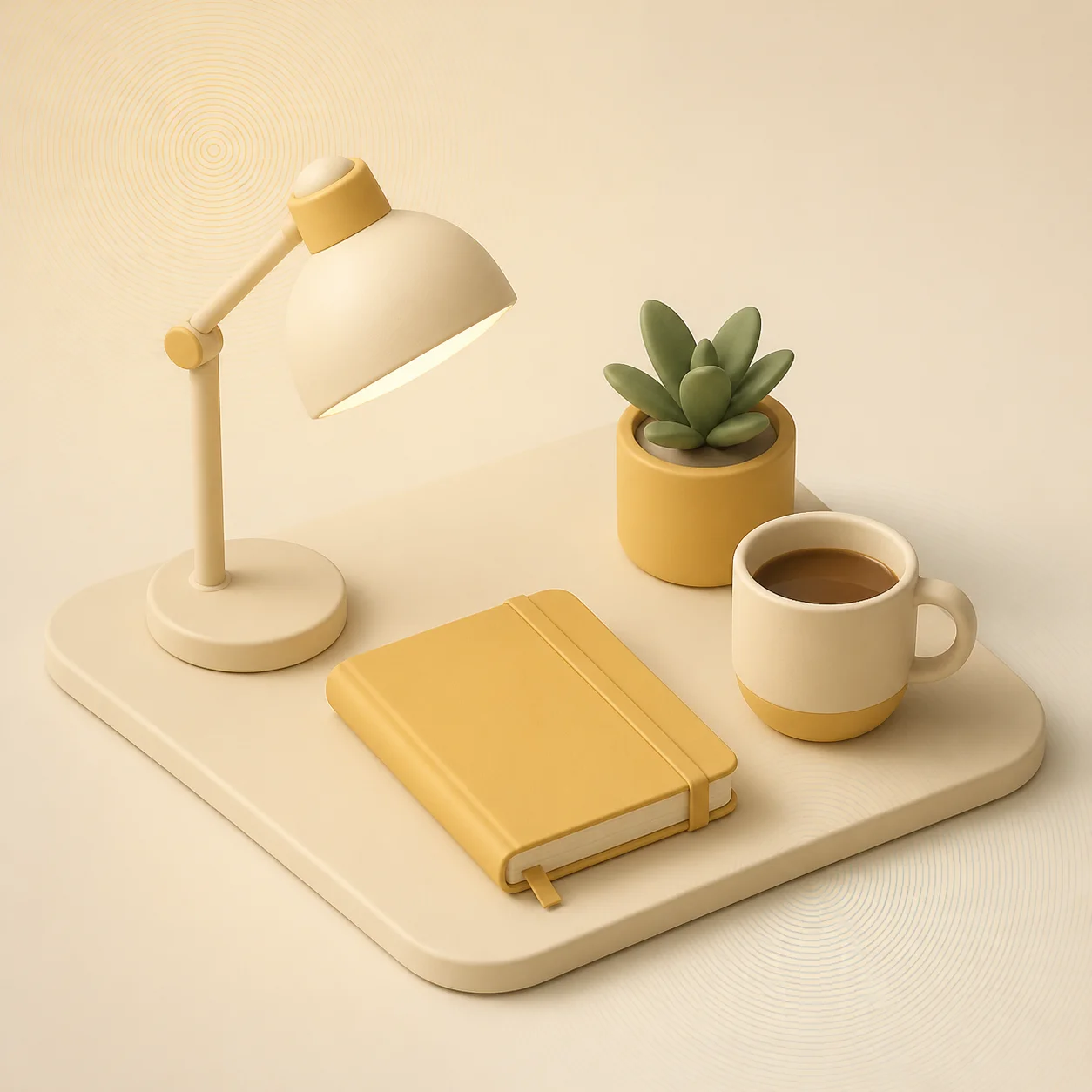 3D renderMatte clay materials and soft studio light. Objects, icons and props rather than scenes.Open style
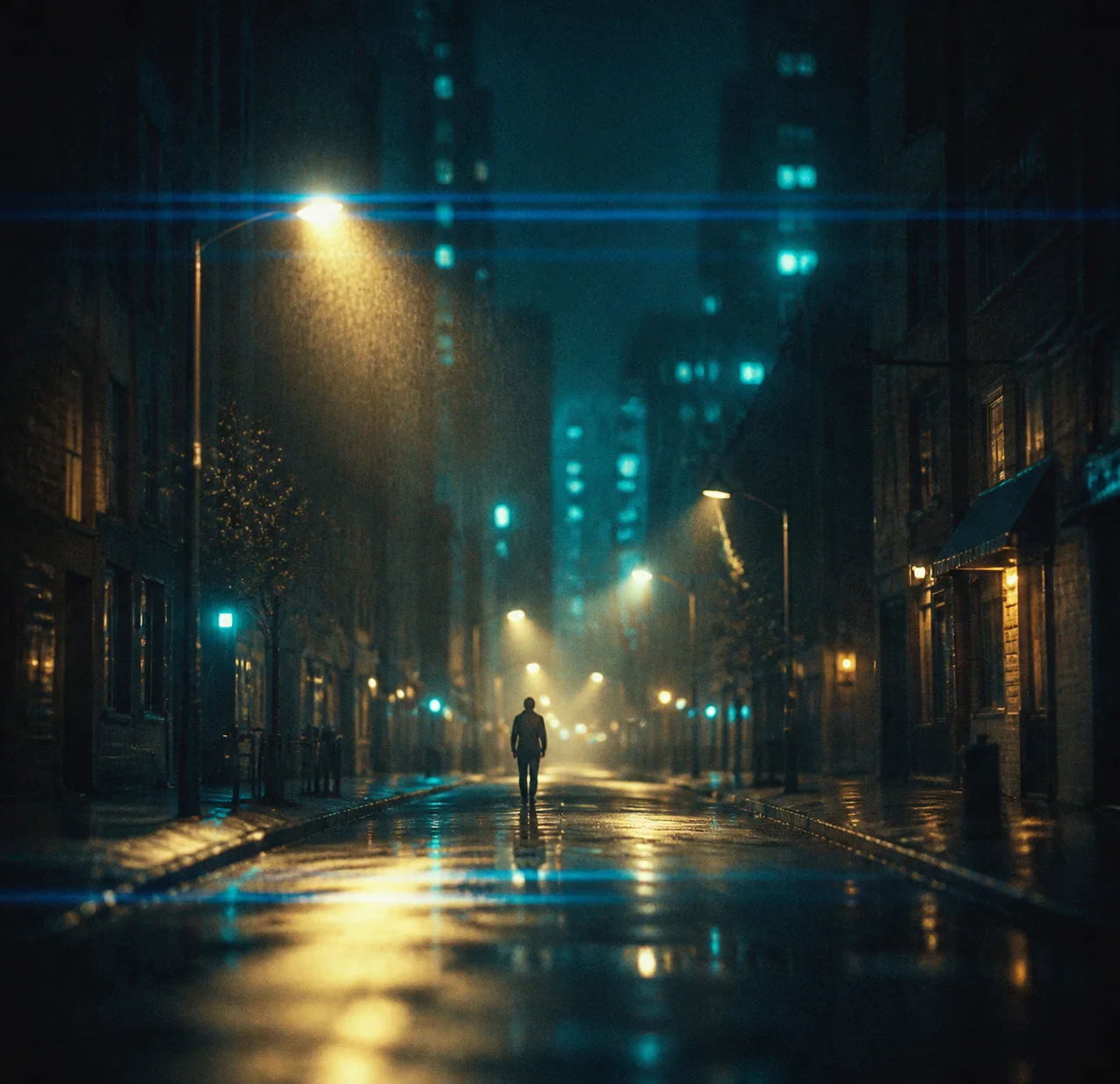
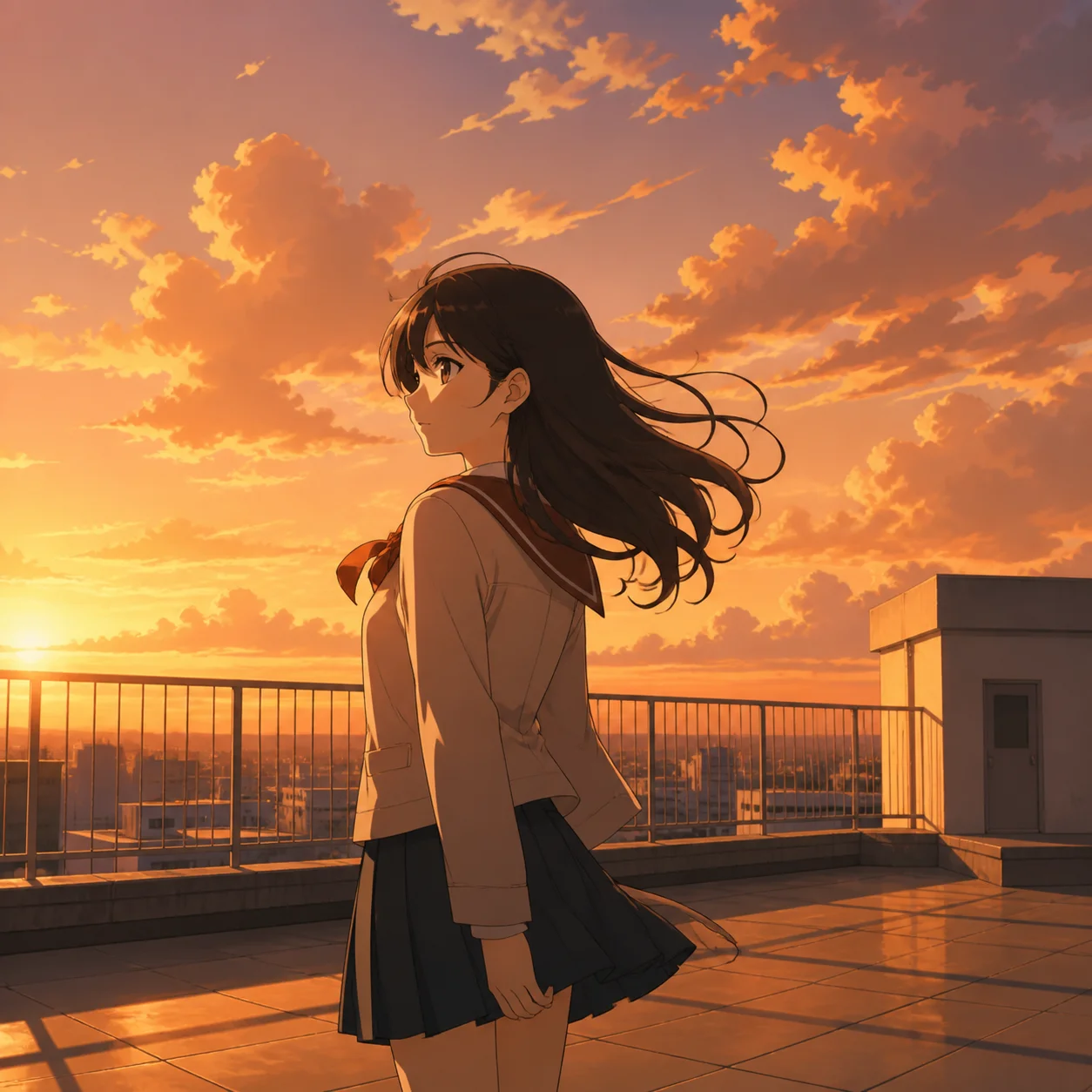
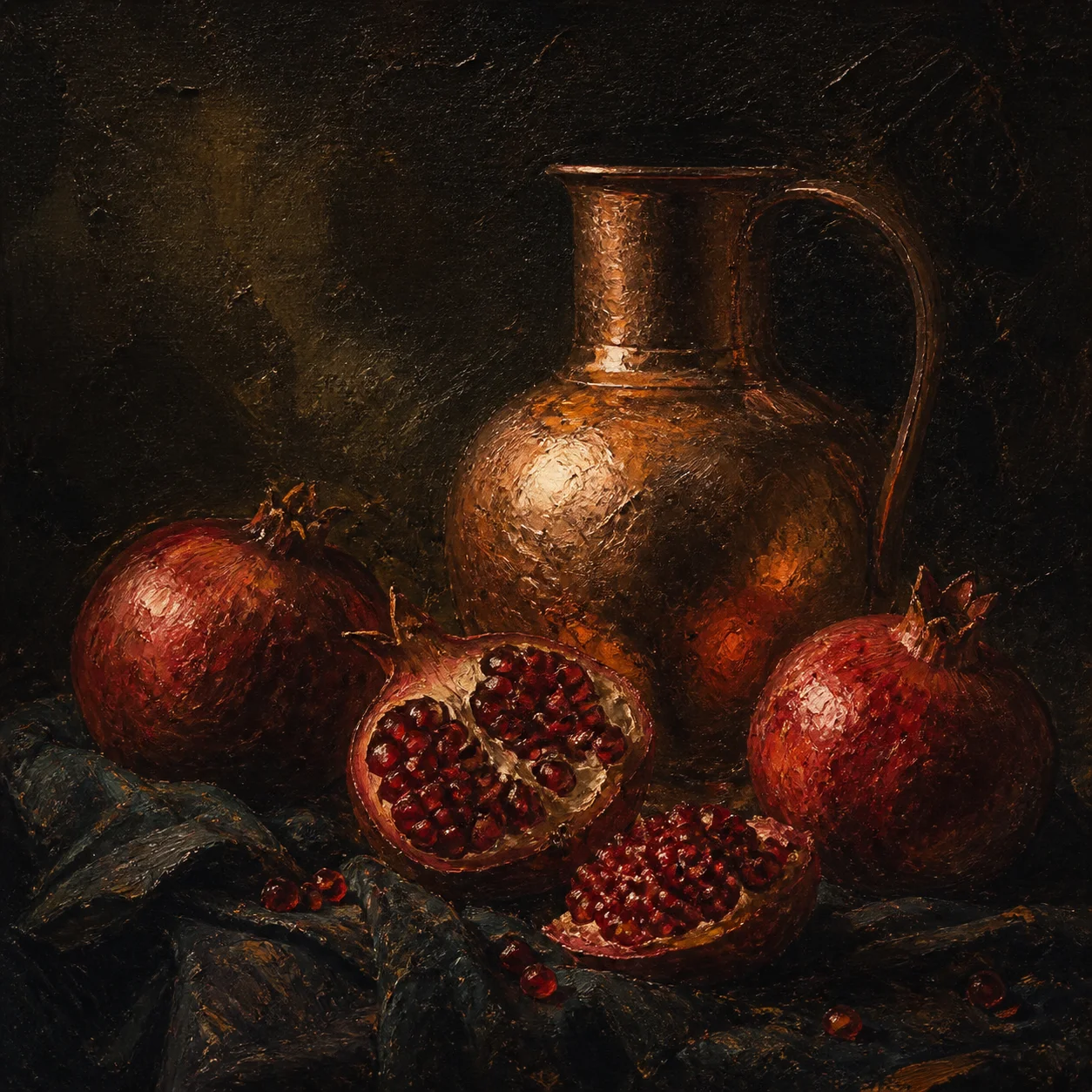
Four Artlist renders, four style words. The subjects deliberately differ — what to compare is the register, not the content.
Cinematic keeps a photographic contract: the light has a source, the lens has a focal length, and the grade sits over the top of both. Anime throws texture away and spends everything on line and flat colour. Oil painting does the opposite — it makes the act of making visible, so the surface is half the subject. Cyberpunk is really a lighting condition wearing a genre's clothes; take the neon out and it collapses back into ordinary night photography.
Once you can name what separates them, choosing gets fast. You are not picking a mood board. You are telling the AI art generator which set of rules to obey.
A prompt that works has four parts and they go in this order. The style word is the last thing you add, not the first.
Open with the thing itself and nothing else. “A red fox curled in dry winter grass.” No adjectives about quality yet — just what is in frame and what it is doing.
WhatWhere it is, what time it is, what the weather is doing. Place and hour do more work than any list of superlatives, because they constrain everything downstream.
Where and whenDirection and hardness beat brightness. “Low sun raking from the left, long lens, shallow focus” gives the model geometry to solve. “Good lighting” gives it nothing.
How it is seenClose with the style and leave it there. Two style names fight each other, and repeating one three times does not make it louder — it only crowds out your subject.
Which rulesAfter the first render, change one thing and regenerate. One word per attempt: swap the hour, swap the lens, swap the weather. Change three at once and you learn nothing about which one mattered. This is the whole technique, and it is why a free generator like Artlist matters more than a clever prompt — you can afford to run the same idea eight times.
Two habits to drop. Do not write what you do not want; the model reads it as another thing to include. And do not blend styles hoping for the best of both — “watercolour cyberpunk 3D render” returns mush. If you want a hybrid, pick the dominant style and describe the second one's traits by hand: keep the ink wash, then ask for a single magenta neon sign in the negative space.
The Artlist generator is on the front page and it costs nothing. Type a sentence, pass the human check, download the full-resolution file.