Ink Wash AI Art Generator

One pigment, three tonal values, and more empty paper than image. Describe the subject, pass the human check, download the file. Artlist is free.

●The style

Where the look actually comes from

Ink wash painting β€” sumi-e in Japan, shuimo in China β€” is built on a single black pigment diluted to different strengths. There is no colour to fall back on and no way to correct a stroke once it is down, so the whole tradition is about deciding what to leave out. A mountain is three marks. A bird is two.

Empty space is the active ingredient. Untouched paper is read as mist, water, sky or distance depending on what surrounds it, which means a wash can suggest an entire valley by painting only its edges. Rendering more, not less, is the most common way to lose the style completely.

The mark itself carries the rest. A loaded brush lays a wet dark stroke that spreads into the fibres; a nearly dry one drags and splits, leaving the broken texture used for rock and bark. Naming loaded and dry brush separately in a prompt is what gives Artlist the two registers the tradition actually uses.
●Example renders

What Artlist gives you in this style

Every image below came out of the free Artlist prompt box β€” no retouching and no compositing. Where a frame belongs to a neighbouring style, the tag on it says so.

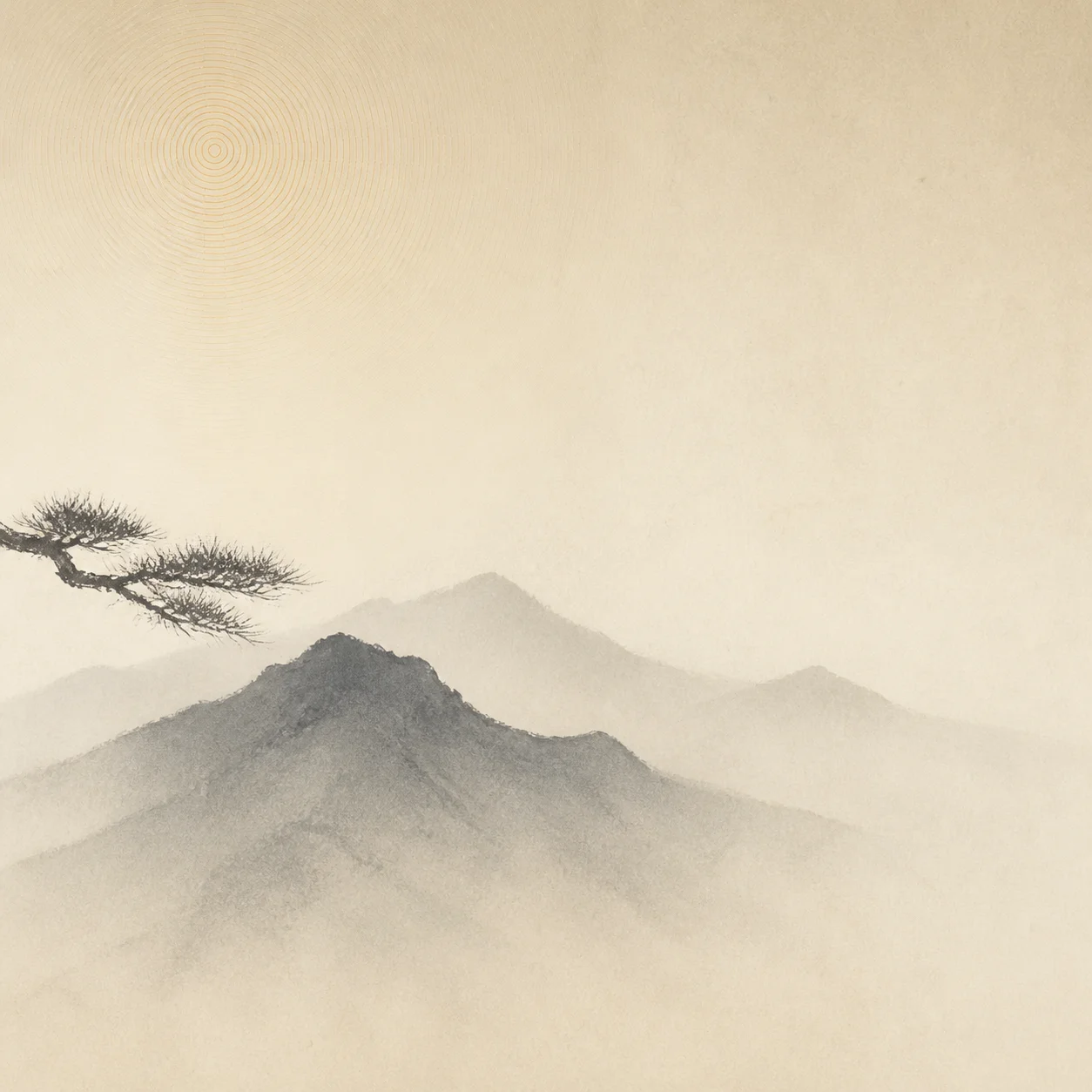
Ink washInk wash AI art from Artlist: distant mountain ridges in three tones of sumi-e wash on aged rice paper with mist swallowing the middle ground
Three values, no moreForeground, ridge, distance β€” one tone each, and the mist between them is simply paper. Adding a fourth value would flatten the whole depth arrangement.
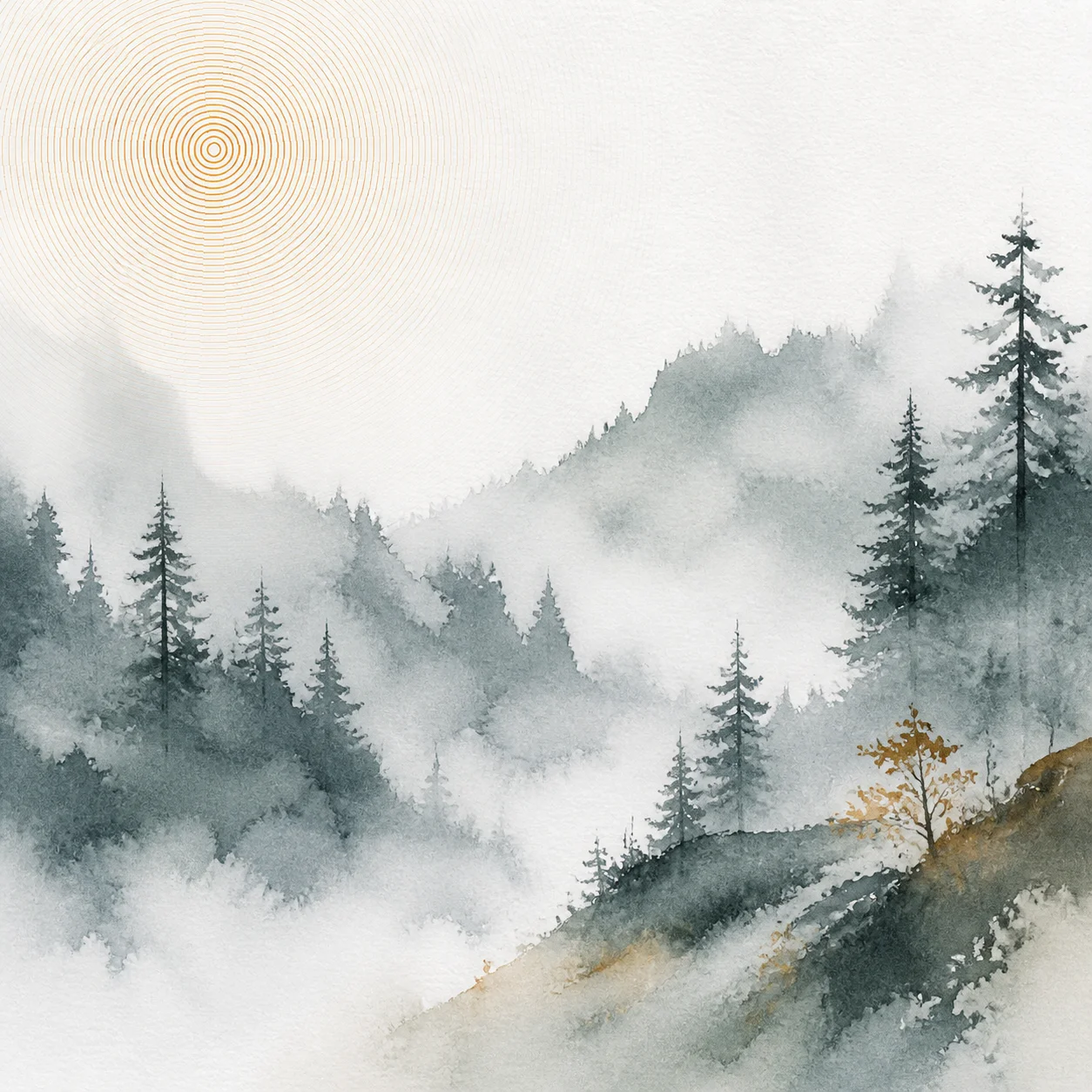
WatercolourWatercolour AI art example from Artlist: a misty pine valley in loose graded washes with bleeding pigment edges and bare paper
The coloured cousinWatercolour shares the paper, the water and the transparency, and adds hue. Side by side you can see how much of the calm here comes from having only one pigment.
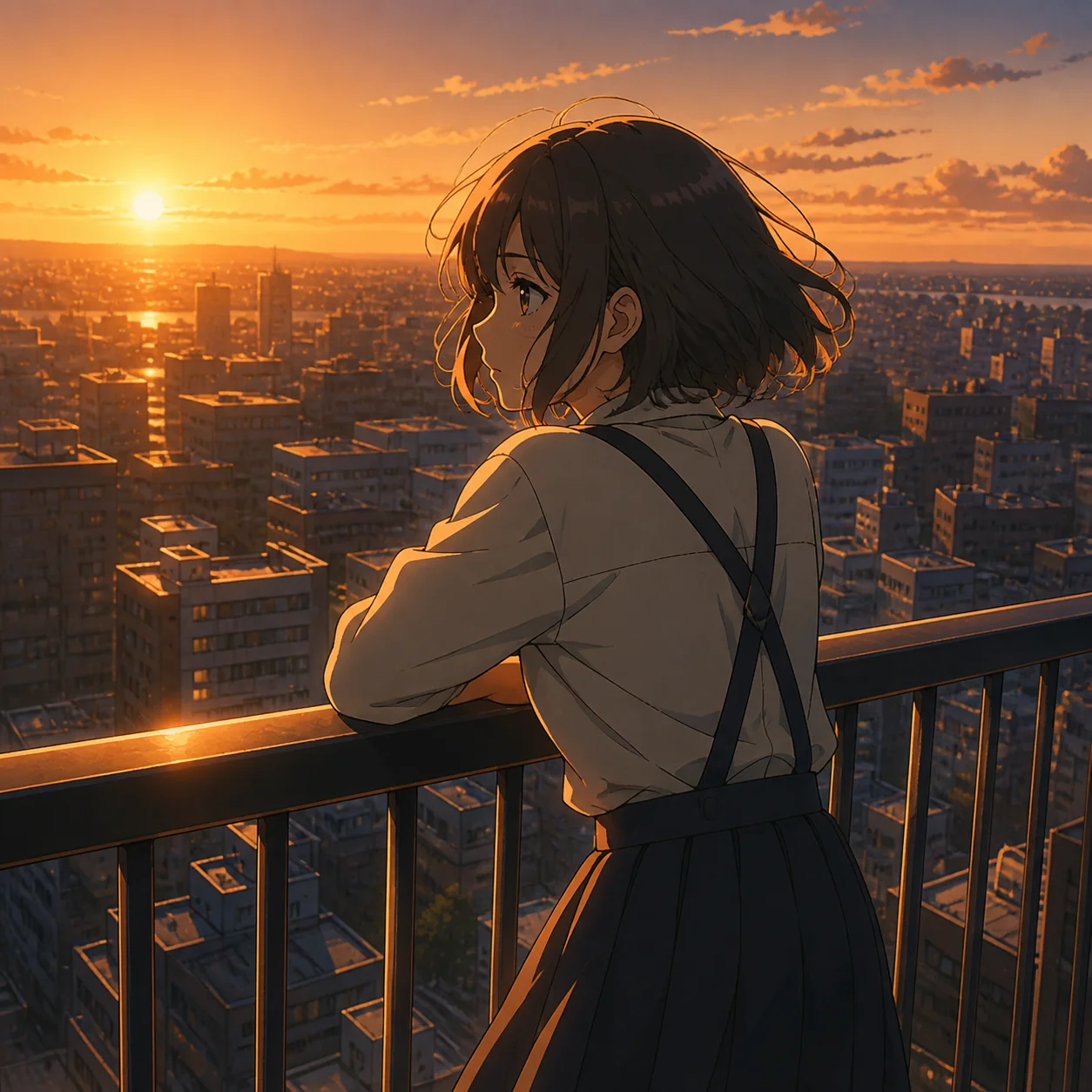
AnimeAnime AI art from Artlist: a girl leaning on a rooftop railing at golden hour with crisp linework, cel shading and layered clouds
Where the edge isAnime keeps the confident single stroke but fills it with flat colour and closes every outline. The line survives the translation; the emptiness does not.
●Generate now

The Ink wash generator, right here

The prompt box is already seeded with a Ink wash sentence. Change the subject, keep the light and lens words, and generate. No account, no credits, no watermark.

Artlist AI art generator100% freeNo accountNo watermark

A one-tap human check runs before Artlist generates your image. Prompts are never tied to an identity.

Result

Your AI artwork renders here.
Roughly six seconds, start to finish.

●Copy these

Six Ink wash prompts that hold up

Paste one into the Artlist AI art generator, swap in your own subject, and leave the light and lens words alone on the first pass. Each note says what the prompt leans on.

Mountains

Distant mountain ridges in three tonal values of sumi ink on aged rice paper, mist swallowing the middle ground, most of the sheet left empty, ink wash

Leans on: counting the values. Asking for exactly three tones is the instruction that keeps the render from filling every part of the paper.

Bamboo

A single bamboo stalk with four leaves, confident wet brush strokes, one dry-brush leaf tip, a small seal-red accent in the lower corner, ink wash

Leans on: stroke economy. Four leaves, not forty. Naming the number is the only reliable way to stop a generator adding foliage until the frame is full.

Boat

A fisherman's boat on still water, boat and reeds in the lower left corner only, the rest of the paper empty, one pale grey wash for the far bank, ink wash

Leans on: corner composition. Putting the subject in one corner and refusing to fill the rest is the classic sumi-e arrangement and it needs saying explicitly.

Pine

An old pine leaning off a rock face, trunk in dark loaded ink, needles in short dry strokes, fog dissolving the base of the rock, ink wash

Leans on: two brush registers. Loaded ink for the trunk, dry split strokes for the needles β€” the contrast between wet and dry is most of the texture.

Cranes

Two cranes in flight, bodies carried by a single grey wash, wing edges dry-brushed, no horizon and no background at all, ink wash

Leans on: no background at all. Removing the horizon entirely is allowed here, and it is what makes the paper read as open sky.

Village

A village roofline in winter rain, tiles suggested by repeated short strokes, a wet grey wash pulled down across the whole sky, ink wash

Leans on: repetition as texture. Roof tiles become a rhythm of short marks rather than individual objects, which is how the tradition handles detail.

●Prompt ingredients

The words that actually move the render

Four categories carry a Ink wash prompt; the rest is decoration. Pick one from each and you have a working sentence before writing any adjective about quality.

Tonal values

Say how many: three tonal values of sumi ink, two washes only, one pale grey pass. Ink wash is a counting exercise, and the count is the strongest instruction available.

Most important

Emptiness

Most of the sheet left empty, no horizon, fog dissolving the base. Describing what is absent is not padding here β€” it is the composition.

The subject

Brush

Loaded wet stroke, dry brush, split bristles, one confident pass. The difference between a wet and a dry mark is the entire texture vocabulary of the medium.

Two registers

Paper and accent

Aged rice paper, mulberry fibre, a single seal-red mark in one corner. One warm accent against black ink is traditional and it stops the frame reading as a greyscale photo.

The ground

What to leave out: everything that adds. Intricate, ultra detailed, richly textured and dramatic lighting all ask for more marks, and more marks is precisely the failure state. If a render comes back busy, delete a clause rather than adding one.

●FAQ

Ink wash questions

Licensing is covered in the royalty-free AI art notes, and the general questions are answered in the full FAQ.

Because the prompt asked for more than the tradition allows. Name the number of tonal values, say most of the paper stays empty, and remove any word like detailed or intricate β€” those pull directly against the style.

Close but not identical. Both are transparent washes on paper, but ink wash uses a single pigment, treats empty paper as an active element, and relies on the difference between a loaded and a dry brush rather than on colour mixing.

Traditionally yes, in one place only β€” usually a seal-red mark in a corner, sometimes a single muted accent. Ask for it explicitly, because a general request for colour turns the render into a washed-out watercolour instead.

Yes. Anything you generate on Artlist is yours to publish, adapt and sell. Describe the technique rather than naming a historical work you want copied, since the craft words are what actually shape the render.

●Start now

Fewer marks, more paper

The ink wash AI art generator is the free prompt box above. Copy a prompt, swap the subject, and delete a clause before you add one.

No accountNo creditsNo watermark