Oil Painting AI Art Generator

Loaded brushwork, deep shadow, a surface you could feel from across the room. Describe the subject, pass the human check, download the file. Artlist is free.

●The style

Where the look actually comes from

Oil paint is slow, and every convention of the style comes from that. Because the paint stays wet for days, colours can be blended on the canvas itself and layers can be built over weeks: a dark underpainting first, then opaque body colour, then thin transparent glazes that let the layers beneath glow through.

That layering is what makes oil look different from any other painted medium. Shadows are transparent and warm rather than grey, because you are seeing several layers at once. Highlights sit physically on top, thick enough to catch real light. Naming impasto and glaze in a prompt asks for both ends of that range at the same time.

The other inheritance is subject matter. Four centuries of still life, portraiture and interiors taught the medium to reward weight β€” fruit, fabric, metal, skin. Give Artlist something with mass and one strong window light and the style does the rest almost by itself.
●Example renders

What Artlist gives you in this style

Every image below came out of the free Artlist prompt box β€” no retouching and no compositing. Where a frame belongs to a neighbouring style, the tag on it says so.

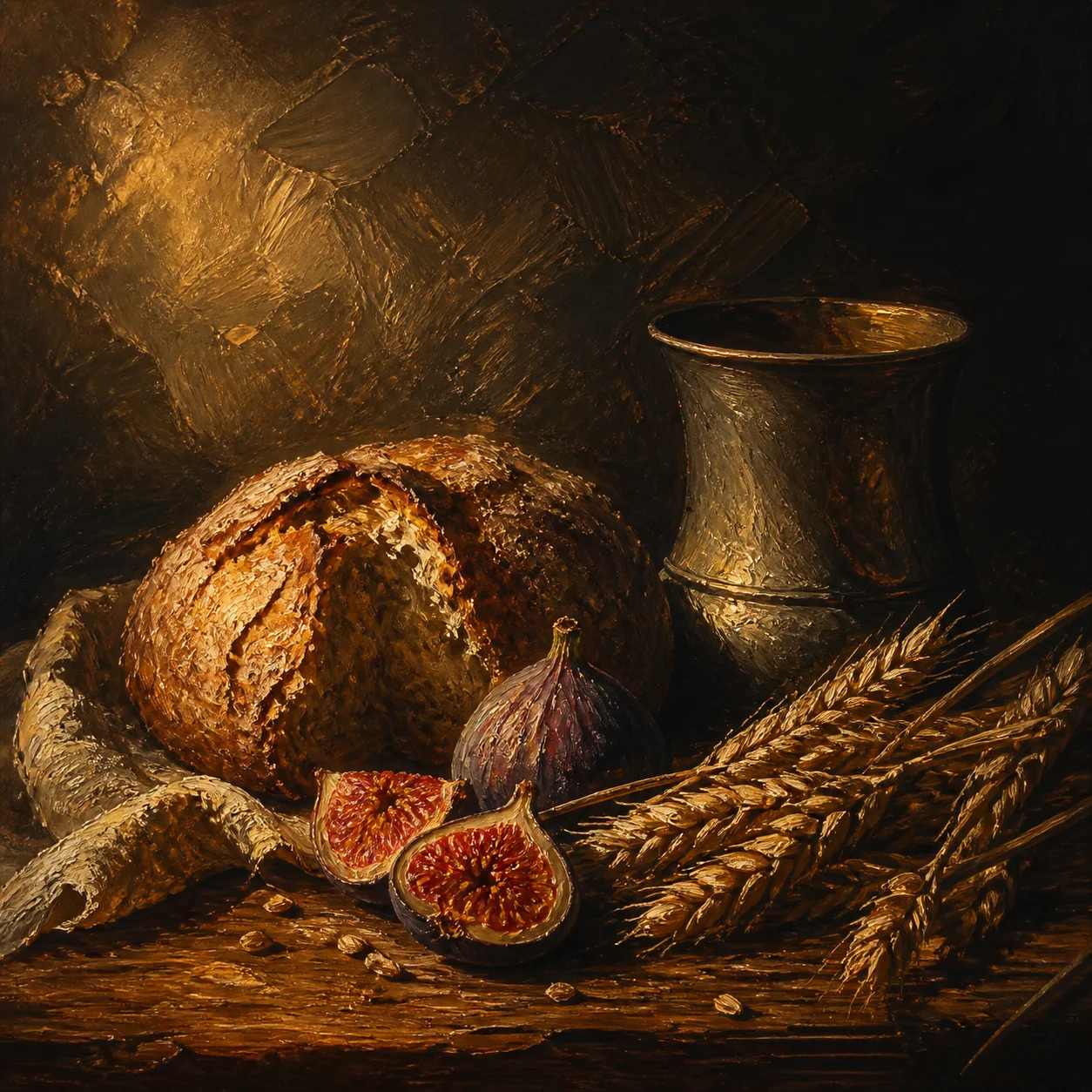
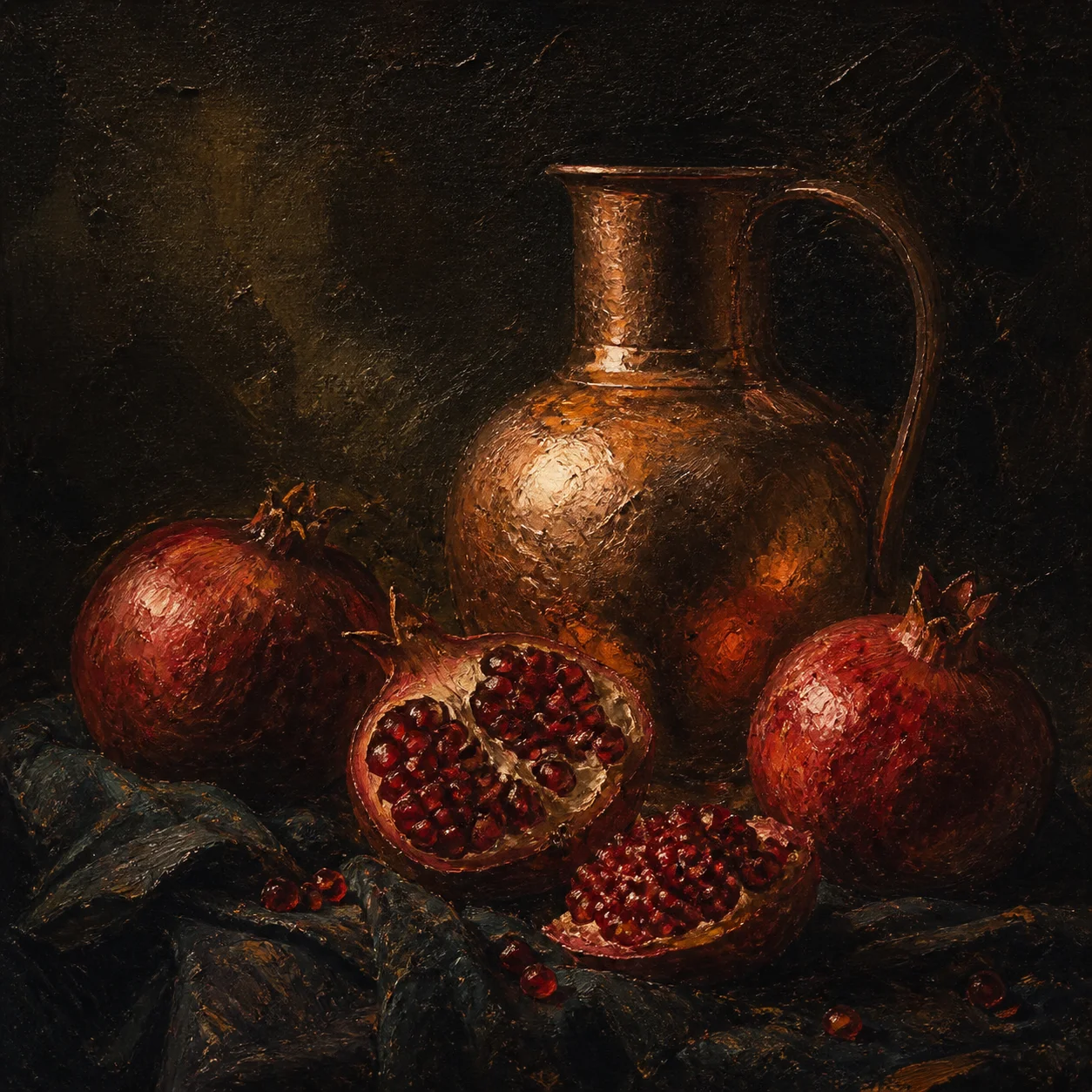
Oil paintingOil painting AI art from Artlist: a harvest table still life with split pomegranates and a copper jug in thick impasto brushwork and deep chiaroscuro shadow
The classic still lifeOne window from the left, everything else falling into shadow. The linen matters as much as the fruit: fabric is where a painted surface shows what it can do.
Oil paintingOil painting AI art example: pomegranates and a copper jug rendered in thick palette-knife strokes with visible ridges of paint
Knife over brushPalette-knife strokes leave hard ridges instead of soft transitions, so the highlights read as physical paint. Ask for it explicitly or you get a smooth digital imitation.
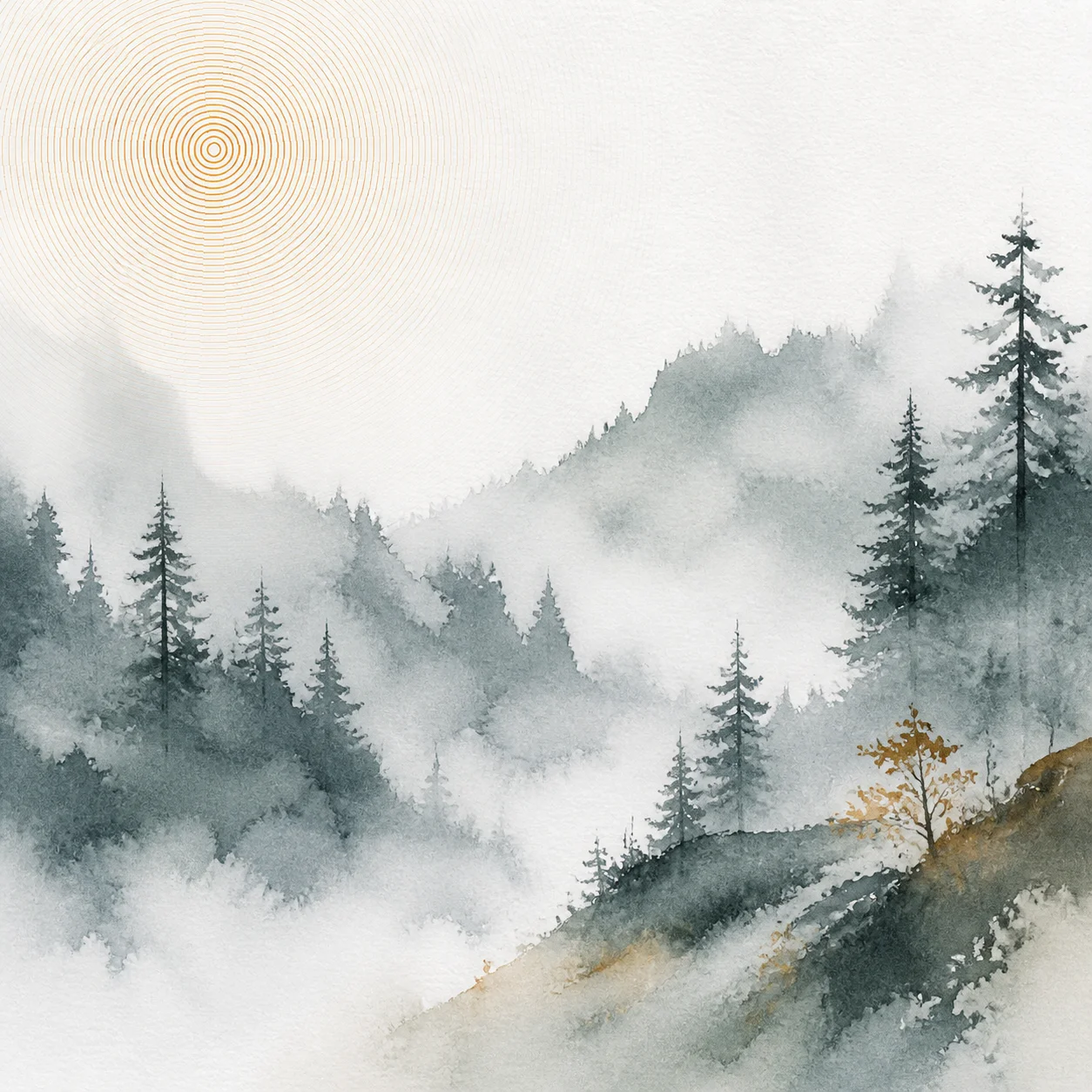
WatercolourWatercolour AI art from Artlist: a misty pine valley painted in loose graded washes with bleeding pigment edges and untouched white paper
Where the edge isWatercolour is the same painted intent with the opposite physics β€” pigment sinking into paper instead of standing on top of it. Same subject, entirely different weight.
●Generate now

The Oil painting generator, right here

The prompt box is already seeded with a Oil painting sentence. Change the subject, keep the light and lens words, and generate. No account, no credits, no watermark.

Artlist AI art generator100% freeNo accountNo watermark

A one-tap human check runs before Artlist generates your image. Prompts are never tied to an identity.

Result

Your AI artwork renders here.
Roughly six seconds, start to finish.

●Copy these

Six Oil painting prompts that hold up

Paste one into the Artlist AI art generator, swap in your own subject, and leave the light and lens words alone on the first pass. Each note says what the prompt leans on.

Still life

A harvest table still life: pomegranates split open, a copper jug, crumpled linen, one window light from the left, deep chiaroscuro shadow, thick impasto brushwork, oil painting

Leans on: one window. Chiaroscuro needs a single source and permission for the rest to go dark; two lights and the drama disappears.

Portrait

Half-length portrait of an old woman in a dark shawl, warm underpainting glowing through thin glazes, visible brush direction across the cheek, muted earth palette, oil painting

Leans on: the layer stack. Naming a warm underpainting under thin glazes is what gives painted skin depth instead of a flat colour fill.

Landscape

A stormy estuary at low tide, loaded palette-knife clouds, wet sand catching one break in the light, cool grey against ochre, paint thickest at the horizon, oil painting

Leans on: paint thickness as a depth cue. Thick at the horizon and thin elsewhere tells the generator where the surface should be loudest.

Everyday object

A pair of worn leather boots on bare floorboards, single raking light, heavy impasto in the highlights and thin scumbled shadow, restrained palette, oil painting

Leans on: raking light. A low angled source across a rough surface is the cheapest way to make brushwork visible in the render.

Street scene

A market street in late afternoon painted alla prima, each figure suggested in three strokes, warm awnings against cool shade, loose edges throughout, oil painting

Leans on: alla prima. Asking for figures in three strokes each stops the render over-describing faces that should stay suggestions.

Close study

Close study of a white peony against a near-black ground, petals built wet-into-wet, canvas weave showing through the thin passages, oil painting

Leans on: the ground. A near-black background and visible canvas weave in the thin passages both say β€œthis is a painted object” without any other cue.

●Prompt ingredients

The words that actually move the render

Four categories carry a Oil painting prompt; the rest is decoration. Pick one from each and you have a working sentence before writing any adjective about quality.

Brushwork

Impasto, palette knife, loaded brush, alla prima, scumbled. This is the single most important category β€” it decides whether the render shows paint or merely shows a picture.

Most important

Light

One source, stated direction, and permission for everything else to fall away. Chiaroscuro, raking light, window light from the left. Oil painting was built for high contrast.

Single source

Palette

Muted earth palette, restrained ochres and umbers, one saturated accent. Historic pigments were limited, so a small palette reads as authentic and a bright one does not.

Keep it small

Surface

Canvas weave, visible ground, thin glazes over warm underpainting. These words describe the object rather than the image, which is what separates a painting from a photograph of one.

The object

What to leave out: sharpness. Ultra detailed and hyperrealistic pull straight against impasto, because thick paint destroys fine detail by definition. If you want both crisp edges and visible brushwork, ask for the detail in the drawing and the looseness in the paint.

●FAQ

Oil painting questions

Licensing is covered in the royalty-free AI art notes, and the general questions are answered in the full FAQ.

Name the tool and the thickness. Impasto, palette knife and loaded brush all ask for physical paint, and adding a raking light gives those ridges something to catch so they actually show up in the render.

Anything with weight and surface: fruit, fabric, metal, skin, weathered wood. The style rewards materials that reflect light unevenly, which is why still life and portraiture dominate its history.

Usually because the prompt described the scene but never the paint. Add a clause about how it was made β€” thin glazes, visible canvas weave, strokes following the form β€” and the render stops being a photograph wearing a texture.

Yes. Images you generate on Artlist are yours to publish, adapt and sell. Do not prompt for a specific existing painting or a living artist by name β€” describe the technique instead, which is what actually moves the render.

●Start now

Give it weight, then let it dry

The oil painting AI art generator is the free prompt box above. Copy a prompt, put your own subject on the table, and keep the brushwork words at the end.

No accountNo creditsNo watermark