01
Name four things
Subject, setting, light, medium. A prompt is a description, not a spell, and the model cannot guess the parts you left out.
The default skeleton
Prompt craft, style breakdowns and practical guides for anyone using a free AI art generator to make one specific picture by tonight. Written to be read once and then used inside the prompt box.
There are no dated posts here yet, and none have been invented to fill the space. What follows is the standing set of topics, each one linking to the page where that style or format is covered properly.
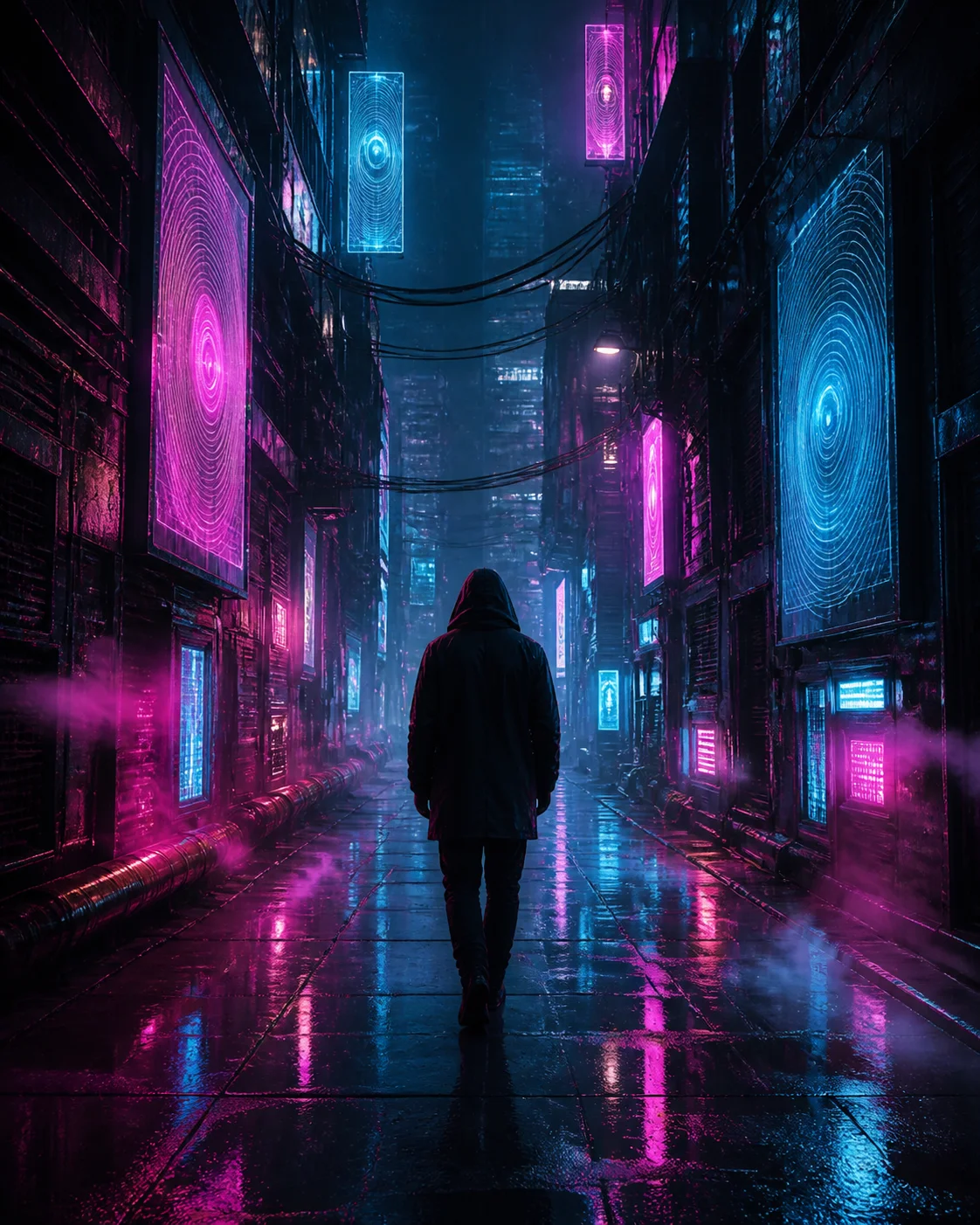 Prompting cyberpunk without a wall of adjectivesNeon needs something to reflect in. Wet asphalt and steam beat a list of sci-fi words.Open the cyberpunk guideStyle guide
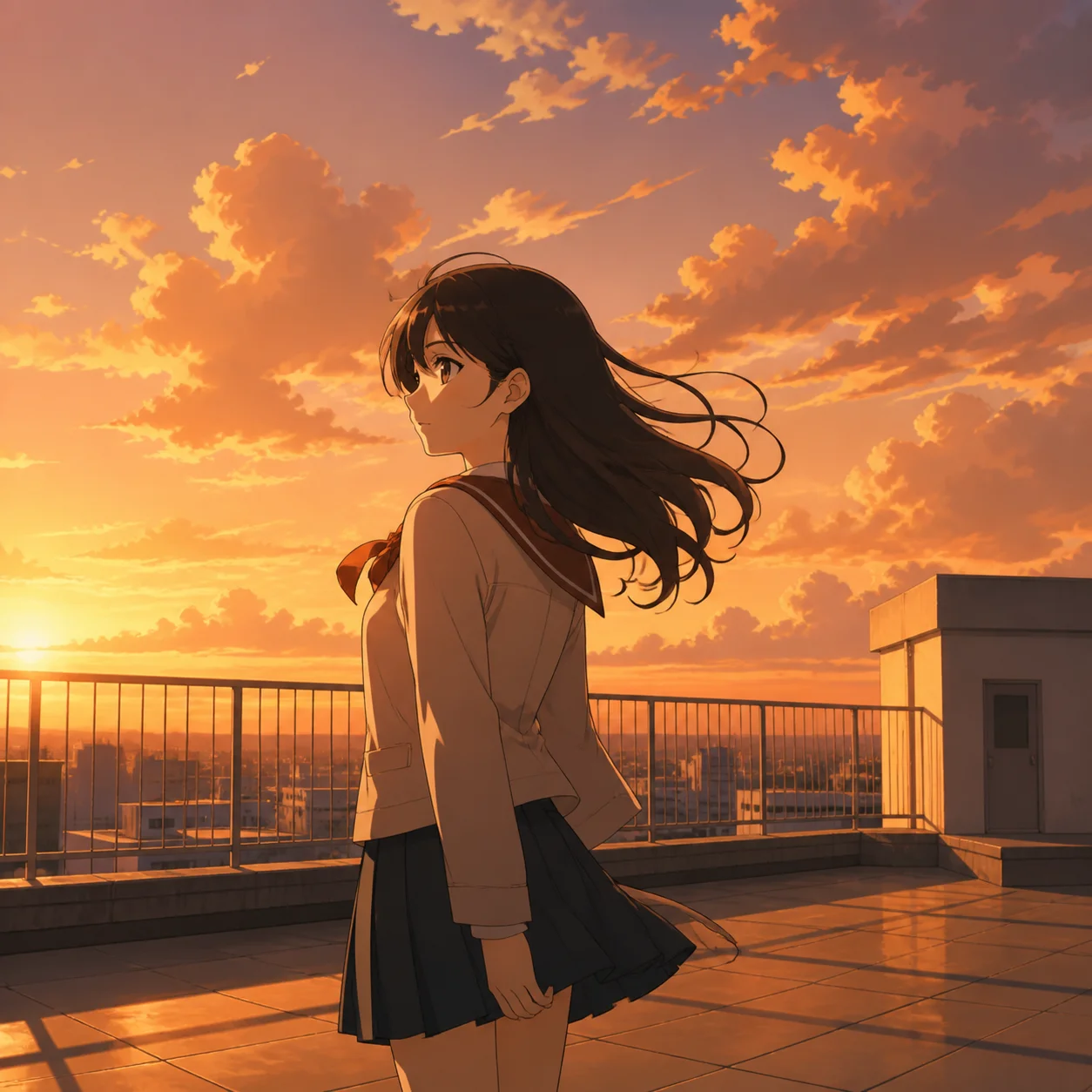 Anime that keeps its lineworkAsk for cel shading and confident lines by name, then fix the face by changing the framing.Open the anime guideStyle guide
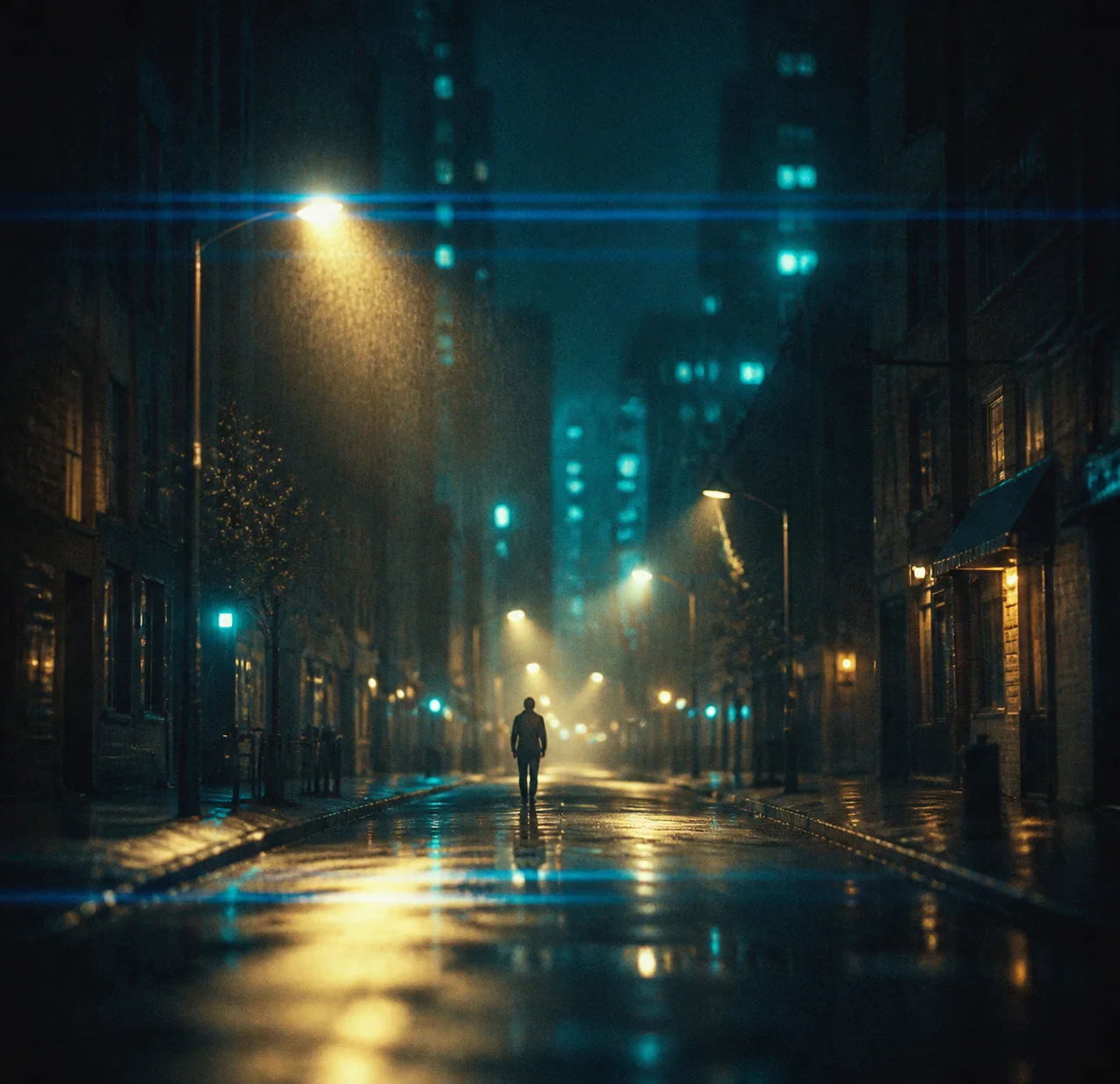 The four words that make a render look cinematicLens, grade and hour do most of the work. Say 85mm and teal-amber before you say beautiful.Open the cinematic guideStyle guide
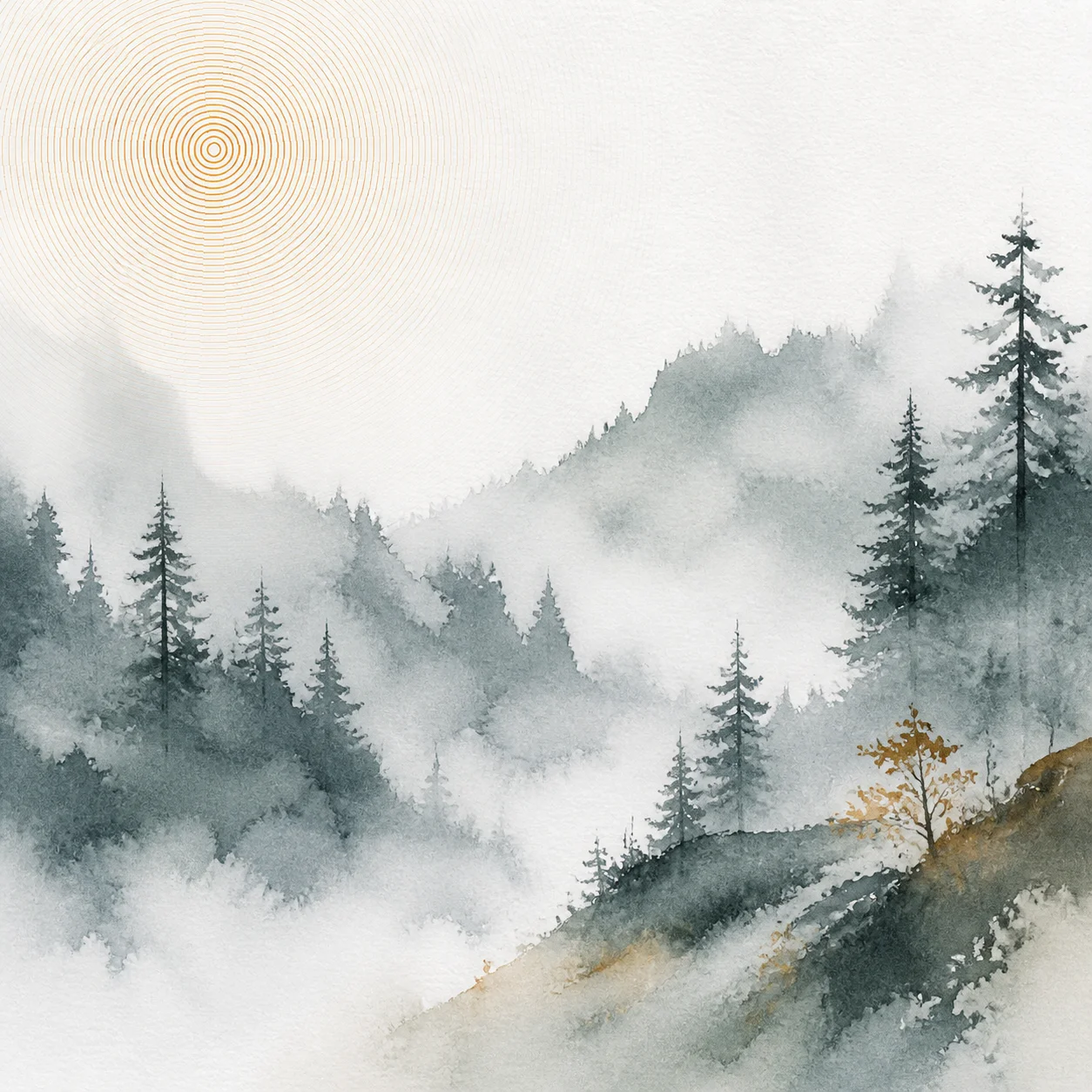 Watercolour: the paper is the subjectCold-press texture, bleeding edges and unpainted paper separate a wash from a blur filter.Open the watercolour guideStyle guide
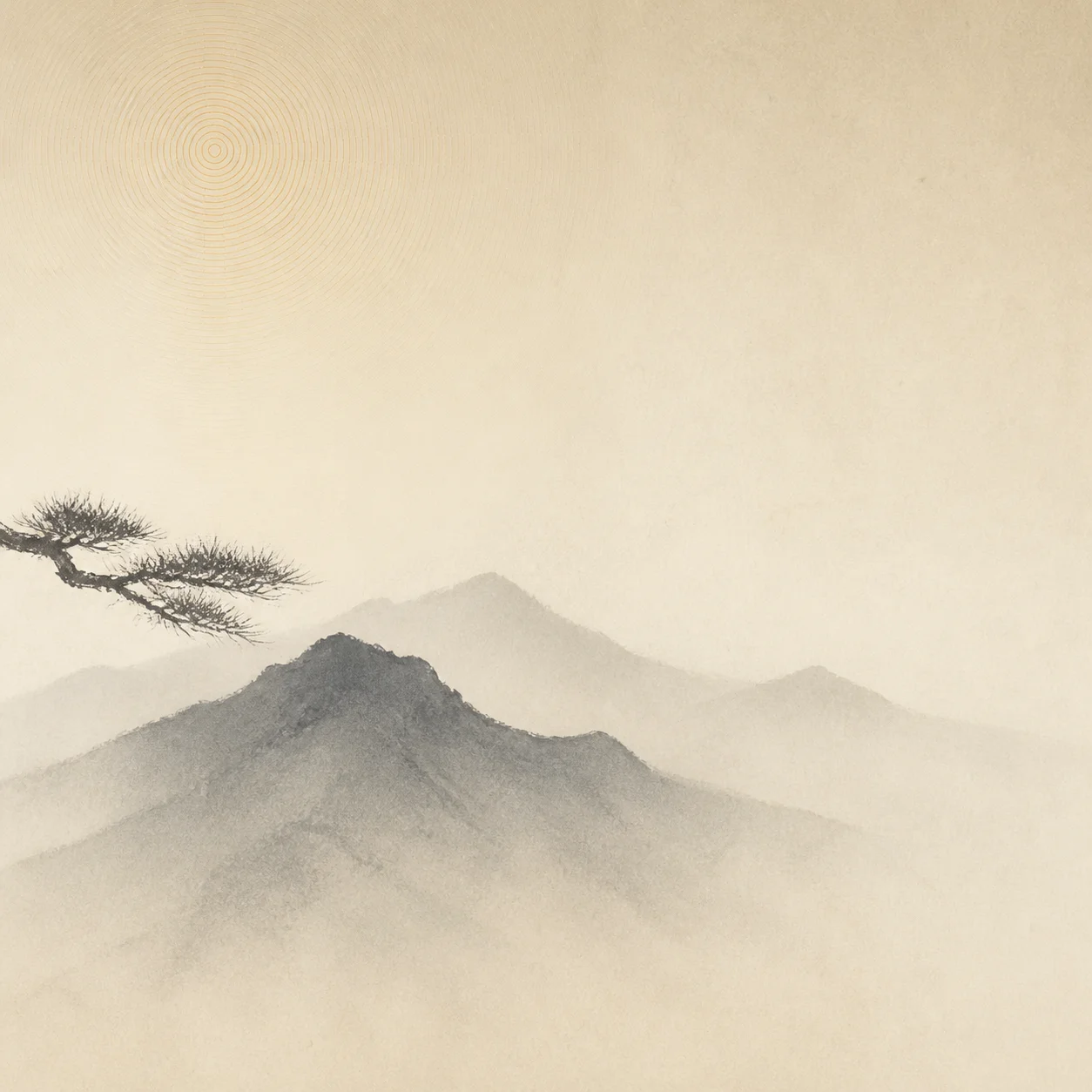 Ink wash, or how to prompt for restraintThree tonal values, one dry stroke, a lot of empty paper. Detail is what you ask it to drop.Open the ink wash guideStyle guide
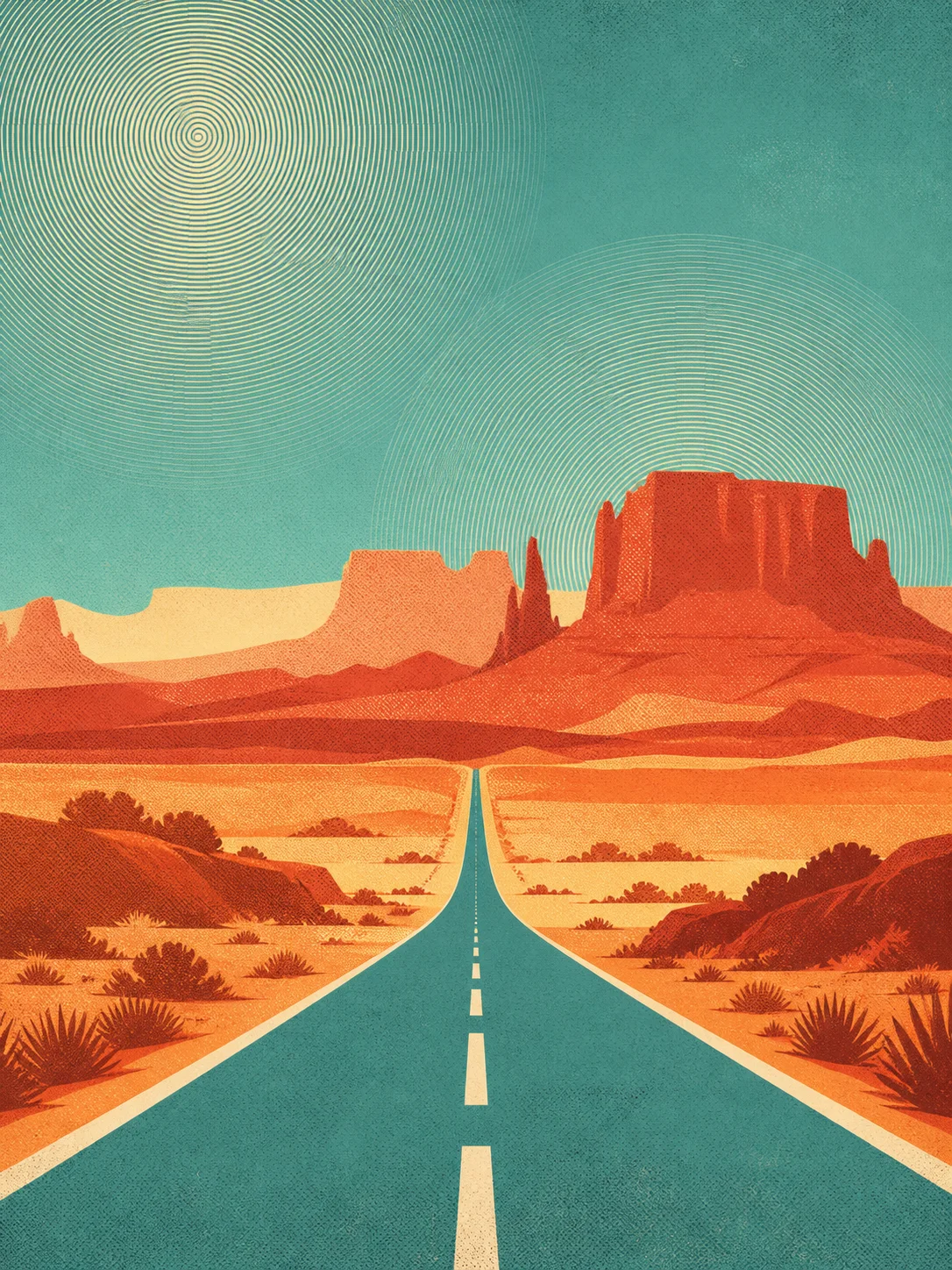 Flat colour, few shapes, one horizonPoster work is graphic design, not painting. Prompt for blocked colour, then keep to four inks.Open the retro poster guideFormat guide
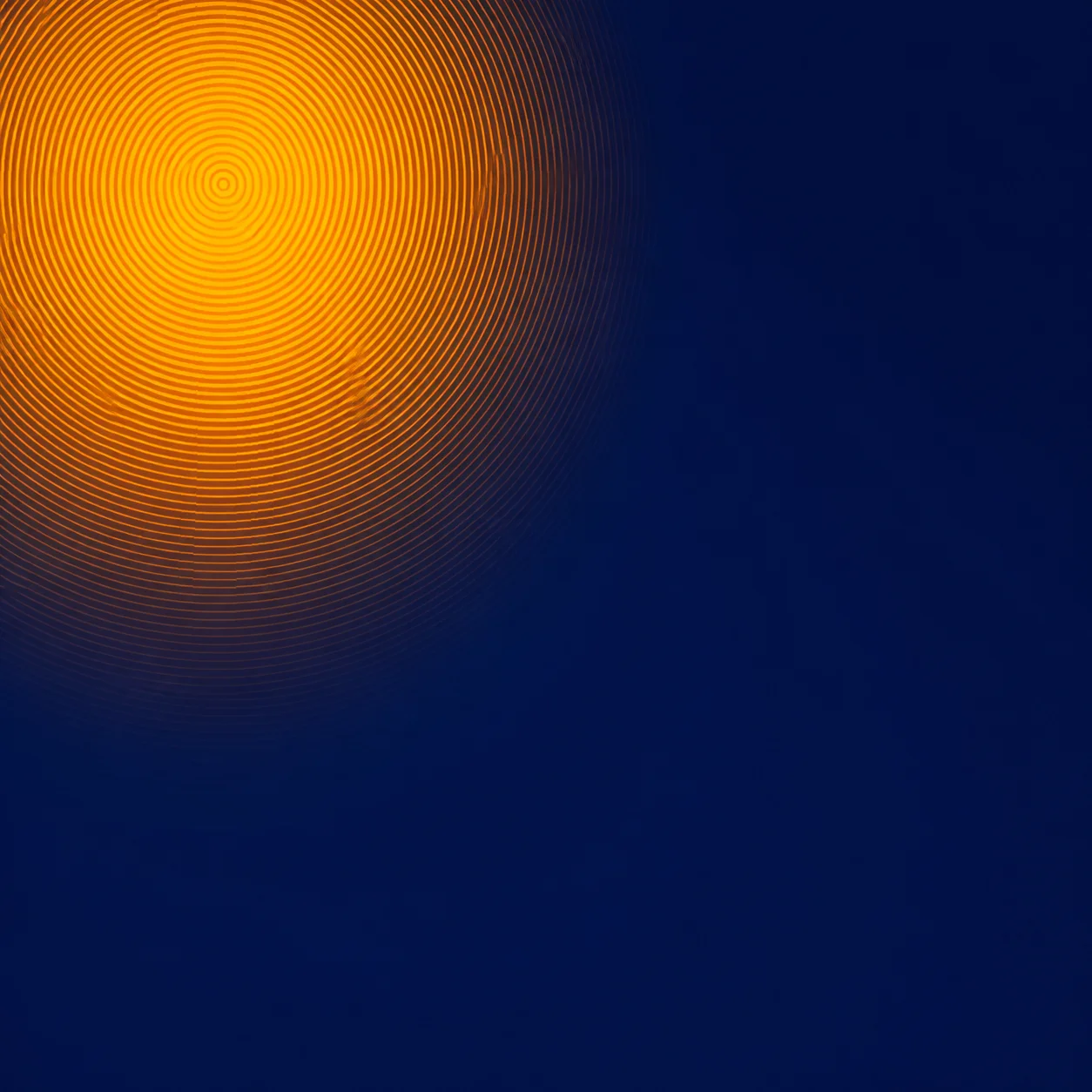 Thumbnails that still read at 320 pixelsOne focal point, oversized shapes, and empty space where the title text sits. The rest is noise.Open the thumbnail guideFormat guide
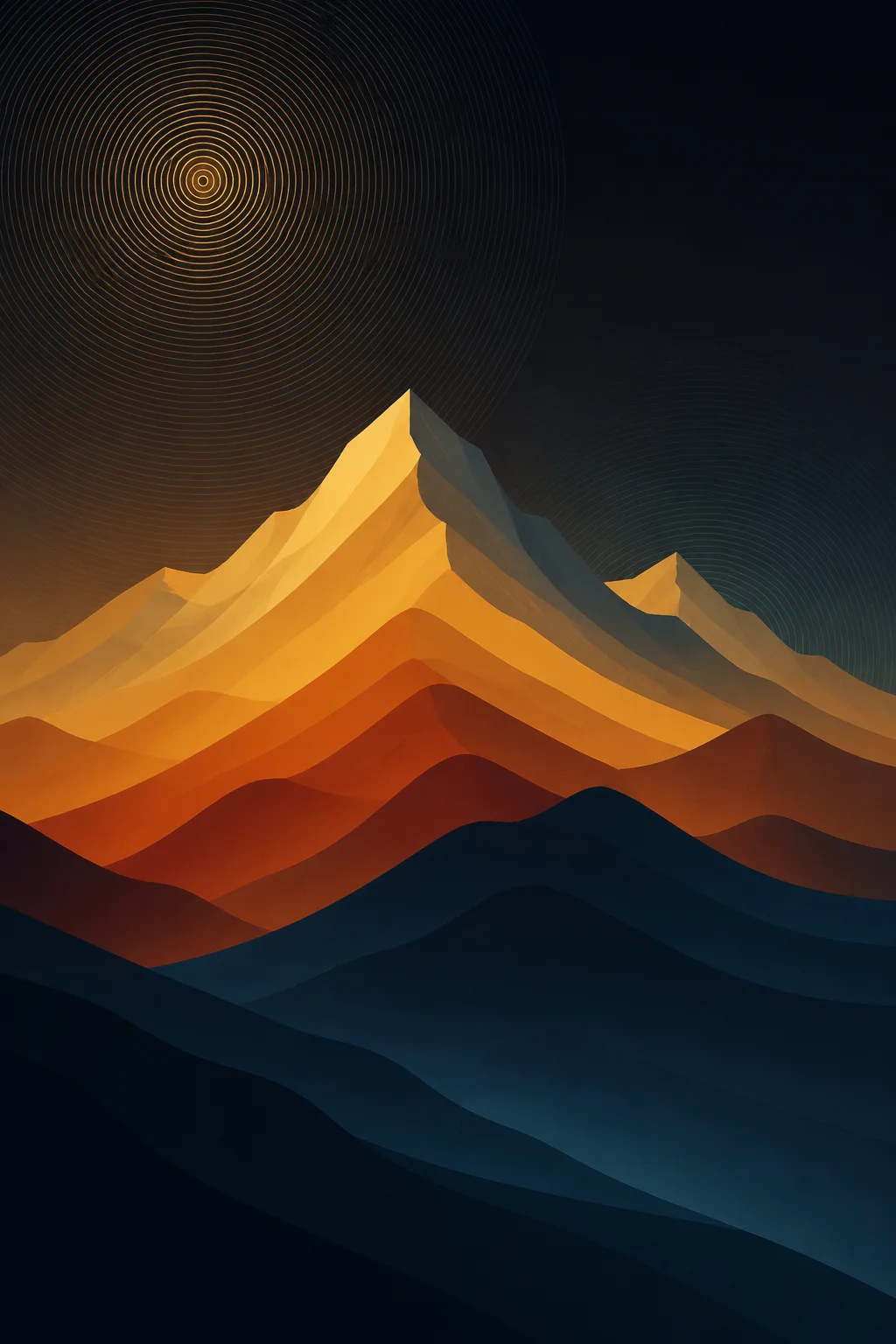 Wallpapers, ratios and the space you must leaveGenerate at the ratio you will actually use, then plan around the clock and the dock icons.Open the wallpaper guide
Two more sit slightly outside the grid: what royalty-free actually means here and building a look before a shoot. If you would rather just look at output, the gallery shows twelve finished images with the shape of the prompt behind each one.
This is the advice that transfers between every AI art generator and every style page on this site. It is short because the useful part is short.
Subject, setting, light, medium. A prompt is a description, not a spell, and the model cannot guess the parts you left out.
Concrete objects change pixels. Words like stunning and masterpiece cost you characters and buy nothing back.
Swap the light, regenerate. Swap the lens, regenerate. Rewriting everything teaches you nothing about what worked.
Start with the skeleton. A fox gives an AI art generator nothing to commit to, so it commits to an average of everything it has seen. A red fox curled in dry winter grass, low sun raking in from the left, shot on 85mm, shallow depth of field fixes the animal, the ground, the hour and the lens in a single line. Four decisions, one sentence, and the output stops drifting between attempts.
Then trade adjectives for nouns. A word like moody can mean fog, underexposure, a colour grade or a facial expression, and the model will quietly pick one at random each run. Name the thing that causes the mood instead: low fog to the knees, one amber lamp with everything else unlit, a sky the colour of wet slate. The same applies to quality words. Ultra detailed is cheap. Cracked varnish and visible canvas weave are instructions.
Every medium has a vocabulary, and borrowing it is the fastest improvement available. Watercolour answers to cold-press paper, bleeding pigment edges and unpainted white. Oil answers to impasto, palette knife and chiaroscuro. A 3D look answers to matte clay material, soft studio light and an isometric camera. Use the words a practitioner would use rather than the words a search box would, and read the relevant style page before you write anything long.
Two last habits. Pick the aspect ratio before you write, because composition follows the frame — a widescreen wallpaper and a portrait poster of the same idea are different pictures, not one picture cropped twice. And leave room on purpose: asking for generous empty space on the right is how you get art that survives a headline being dropped onto it. Since Artlist has no credit meter, a failed attempt costs about six seconds, which makes single-variable iteration the cheapest habit you can build.
Every guide here ends in the same place: the prompt box on the front page. Describe one picture, change one word, and keep the version that works.